

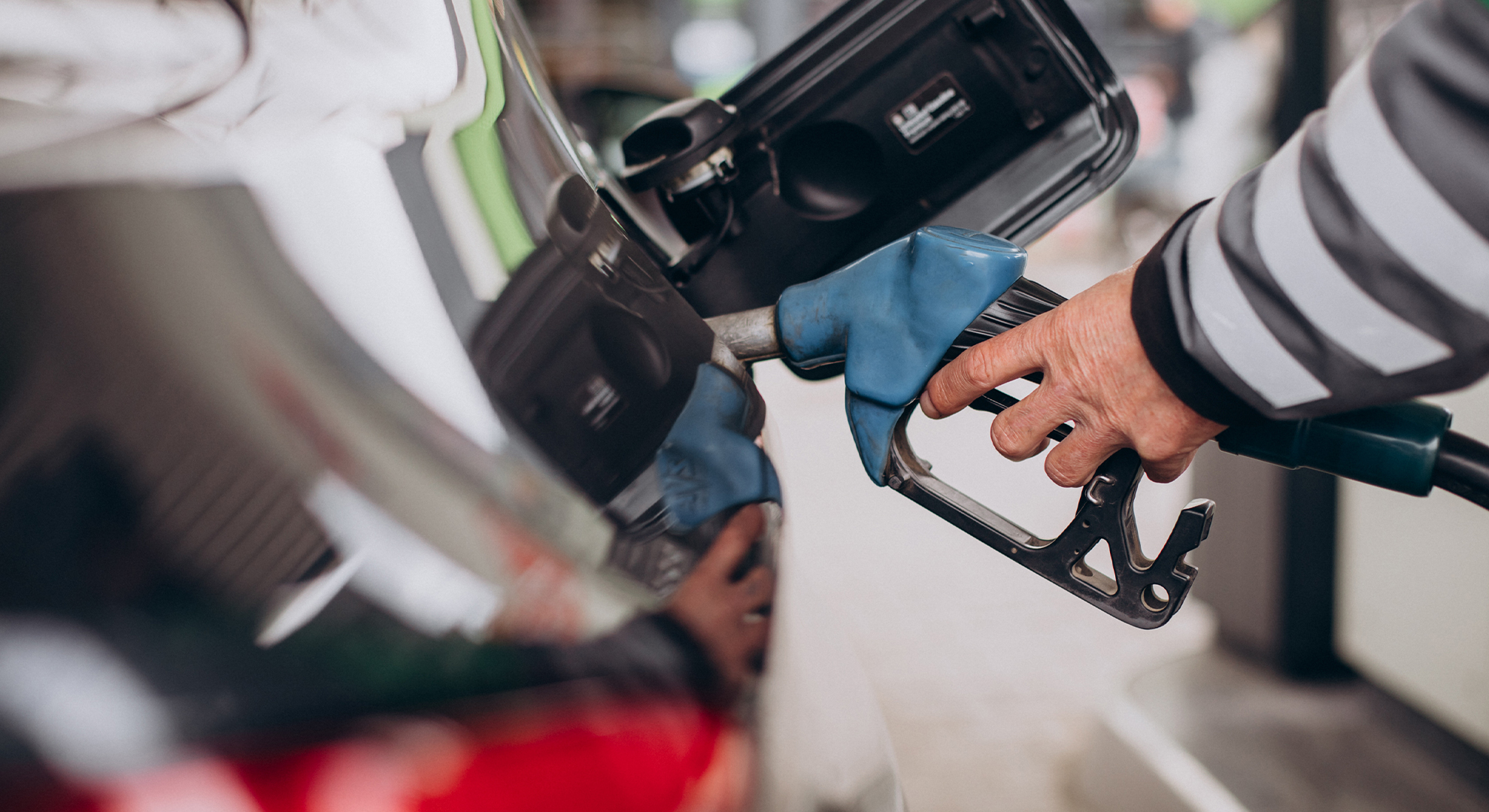
The price of diesel fuel in Romania could rise in the next two weeks to around 9.78 lei per liter, as higher oil and diesel prices in recent weeks have not yet been fully reflected in pump prices, according to an analysis by the Intelligent Energy Association (AEI).
According to the source cited by Agerpres, fuel prices at the pump reflect past developments in the oil market, due to gaps in the supply chain.
„Prices at the pump reflect past costs, not developments in recent days. If oil has become cheaper today, the effect cannot be seen immediately at the pump because the diesel now being sold has already been produced or imported at previously set prices. In other words, the fuel market is working with inertia (...) The real problem is not today's price, but the price to come. Because, if we apply the same logic of price transmission in the oil chain, the higher diesel and oil quotations in recent weeks have not yet been fully reflected in the final price in Romania. In practice, the market is in the process of adjustment. On the basis of the formula that correlates the ARA diesel price, the price of Brent crude oil and the domestic tax structure - it follows that in the next two weeks or so the price of diesel could theoretically go up, in the absence of state-company agreements, to around 9.78 lei per liter. It is a level that marks an increase of more than one leu compared to the current estimate and brings the market closer to an extremely sensitive psychological threshold: 10 lei per liter,” explains Dumitru Chisăliță, in the analysis sent on Thursday.
According to him, the price of diesel at the pump is never the direct result of that day's quotations.
„In reality, what drivers and hauliers are paying today in Romania is a reflection of the oil market a few weeks ago. The logistic chain - from crude oil acquisition, to refining, transportation and distribution - introduces a relatively stable gap, which allows a fairly accurate estimation of price developments. Why does the pump price go up when oil goes down, and how could it go down? If we apply this logistic mechanism, the current price of diesel in Romania can be explained almost mathematically,” the analysis shows.
According to the research, „most of the diesel sold at the pump today comes from product imported about two weeks ago”.
„As of February 24, the price of diesel on the European ARA (Amsterdam-Rotterdam-Antwerp) benchmark market was around $739 per tonne. At the same time, the diesel produced in refineries is based on crude oil purchased even earlier, with a time lag of about four weeks. At that time, Brent crude oil was quoted at around 67.95 dollars per barrel,” the document says.
Thus, when introduced into a calculation model that includes excise duty, VAT, logistical costs and trade margin, these quotations lead to an estimate that is very close to the market reality.
According to calculations made by AEI specialists, the resulting value for diesel for March 12, 2026, at the margins used in recent days, is about 8.81 lei per liter, a level that is reflected, with small regional variations, in pump prices.
„In recent days, international oil quotations have fallen, and this is perceived by consumers as a signal that prices should also fall at the pump. In reality, exactly at this time, diesel in Romania continues to get more expensive. For many drivers, this seems illogical or even unfair. This often gives rise to suspicions about the behavior of oil companies or how prices are formed. The explanation, however, is largely technical and has to do with the market's lagging mechanism. Prices at the pump reflect past costs, not developments in recent days,” says the author.
So if oil has become cheaper today, the effect cannot be seen immediately at the pump because the diesel now being sold has already been produced or imported at previously set prices.
„In other words, the fuel market operates with inertia. The paradox is that it is precisely this inertia that produces the greatest tensions in public perception. When oil goes up, consumers quickly see higher prices at the pump. When oil goes down, the effect is delayed, and the difference in momentum creates the impression that cheap prices never pass on as quickly as high prices. In reality, it does, but with the lag in the oil chain. If the downward trend in oil prices continues, the effects will spill over into fuel prices, but not for several weeks,” the research adds.
Until then, what we see at the pump is just an echo of yesterday's market. And this gap between economic reality and public perception is one of the reasons why fuel prices remain one of the most sensitive economic issues in Romania, the document adds.