

When the USA-Israel-Iran war started this year, I remember being on the phone with a significant client from my NG portfolio, who asked me in genuine confusion: what does it matter if there’s an oil crisis in the middle east, how does this impact my gas price? Isn’t this all just speculation?
No, it isn’t. In an unnecessarily intricate way, the global energy system is all interconnected. Geopolitical aspects, historical reference markets, interconnection grids maps and future oriented technology trends all converge like a kaleidoscope in perpetual motion.
At my desk, at home, I have a very large print of the entsoe grid map. I stare at it a lot, the same way one would stare at the washing machine doing laundry. The intricacy is captivating. There’s a strong metaphor in this map, the reasoning between the voltage parameters of each region, and interconnection nodes paints a broader picture.
We are observing a seismic shift in how global energy markets function, powered by an ever-growing mitigation movement against climate change, obfuscated by geopolitical interests.
It’s always fun to take the wrench out of the cogwheels and look at the dents. As much as we like to imagine the global energy system to be mature and futuristic, I envision it actually much closer to a well-run steamboat, with a very old and convoluted engine. An engine that some world leaders are throwing wrenches at.
Take for example the ever-famous temperature increase statistics. It’s simple to discredit future provisions, it’s in our human nature, I guess. We don’t like it when we see apocalyptic graphics of exponential temperature increase.
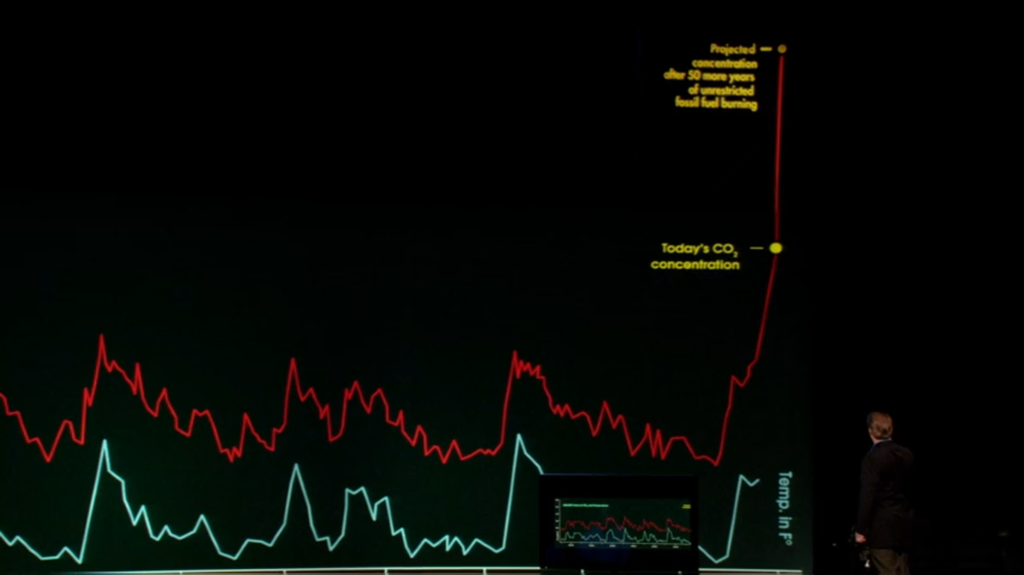
Still, summer by summer, temperatures rose enough over the last 20 years that we were forced to resort to shades of purple on the temperature scale – we simply ran out of red.
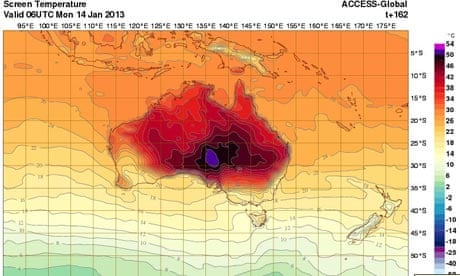
Historical data from reputable sources is difficult to dismiss. And the clear, direct impact of heatwaves – drought – is now throwing Europe into a severe energy crisis.
The global energy system is all interconnected. The strait of Hormuz oil crisis threw energy prices off balance everywhere already.
Regionally, the European energy grid balances production and consumption of EU territories through an algorithm called Euphemia, an acronym set to an ancient Greek word meaning “good omen, harmony”. The harmony part is correct, but we’re not in for any good omen.
Water is important in energy – when it doesn’t rain, water levels drop. Hydrometric heights is what they call them.
Low water in main rivers means little to no hydro energy production. What is more, most nuclear power plants use river water for cooling their reactors, low water means reactors across Europe are being forced offline or into reduced output.
France, Switzerland, Hungary, Belgium, Austria, Slovenia, Slovakia, and a long list of other countries are documenting through their national apparatus and reporting historic lows for precipitation starting last December.
Regional cooperation is important, it’s vital even. Euphemia and the interconnection system makes sense, the whole point of the European Union is economic free-flow and cooperation. The interconnection of the energy market means that crisis felt in a significant node in the European grid ripple throughout the region. It also means that when the crisis takes place everywhere, the ripples spiral into instability.
And this isn’t only the hottest summer we’ve experienced so far. It’s the coolest one yet when looking to future provisions – the ones we love to dismiss.