

The entry into the final phase of the Border Carbon Adjustment Mechanism (CBAM) as of 1 January this year significantly impacts import costs for a number of products considered polluting - cement, iron and steel, aluminum, fertilizers, polymer-based products, hydrogen or ammonia, say Mihai Petre, Director, International Trade, EY Romania, and Daniela Neagoe, Senior Manager, International Trade, EY Romania.
As a result, it is essential that importers and suppliers fully understand these effects and adapt strategies so as to minimize the impact of CBAM costs without slowing the pace of CBAM product purchases. Close collaboration between importer and supplier is essential to navigate the challenges imposed by CBAM costs. If emissions information were made available by the supplier, the costs of purchasing CBAM certificates could be significantly reduced for certain products.
The effects of the CBAM tax in the wind energy sector
Calculations show that the price of CBAM certificates that importers of CBAM products will have to purchase can reach significant values depending on the quantity imported and the type of product.
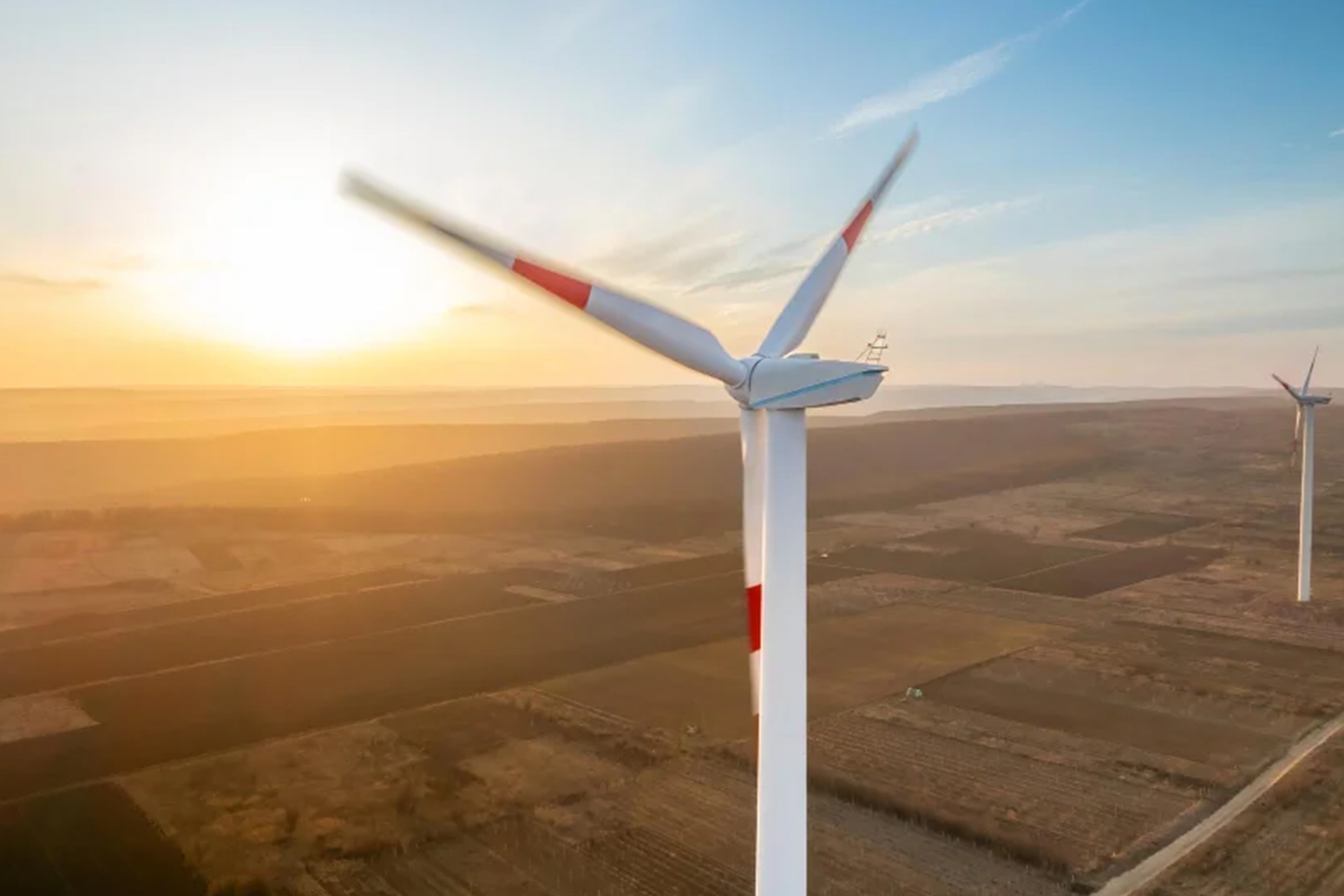
As an example, one of the products covered by the CBAM Regulation is the product Steel wind tower sections used in the assembly of industrial-scale tubular wind towers, classified in the Combined Nomenclature under tariff code 73089098.
Thus, for an import of 1,000 tons of such product from Turkey, using the default emission values published by the European Commission, the cost of CBAM allowances could be significant, reaching, in certain scenarios, several hundreds of thousands of euros depending on the level of embodied emissions and the applicable ETS allowance price, in accordance with the provisions of Regulation (EU) 2023/956 and its implementing acts.
Beyond the costs as such, which will have a major impact on the companies that have to bear the CBAM levy, probably already taken into account in the budgeting for 2026, we are also talking about the legal, economic and operational effects of the provisions applicable from the beginning of this year.
- Direct financial impact on the total cost of imported products
Due to the classification of steel wind towers under the tariff code 73089098 falling under the CBAM, a significant additional cost is generated for each project requiring the purchase of these products. Increase in unit cost per tonne by € 400-500/tonne product, requires a possible renegotiation of supply contracts and purchase prices.
The Romanian wind construction sector is booming, with a total installed capacity of more than 3,000 MW by early 2026. A wind farm requires between 100 and 120 tons of steel for each MW of installed capacity, including tower, foundation, nacelle and other structural components. Thus, for an average 100 MW project, the total amount of steel required is estimated at around 10,000-12,000 tons.
- Administrative and compliance effects
Importers of products subject to CBAM will have new obligations, including: collecting data from manufacturers on carbon emissions and the production process used and even, in some cases, the year the imported product was manufactured, verified annual CBAM reporting, CBAM certificate portfolio management.
- The need for new financial strategies
For Romania, where the wind sector is booming, it is essential for developers, financiers and suppliers to fully understand these effects and adapt strategies to minimize the impact of CBAM costs without slowing down the pace of the energy transition to green energy. It is also essential that they analyze the optimal timing for purchasing CBAM certificates and consider the use of hedging instruments to secure their costs.
Recommendations
Importers need to carefully assess these additional costs, as they can become a significant component of CAPEX and therefore of the total price the project developer pays. In this context, at least the following lines of action are necessary:
- Analysis of the optimal time to purchase CBAM certificates - As their price is volatile and influenced by the global carbon market and macro-economic factors, a good purchasing strategy can significantly reduce the final costs.
- Simulation of CBAM costs for suppliers from various third countries - this will allow the identification of the lowest cost providers, taking into account the fact that defaults are set on third countries.
- Collaboration between importers and suppliers is essential to manage CBAM costs – Real carbon emissions information can significantly reduce the cost of CBAM certificates for certain products.
Using financial hedging instruments - carbon forwards, options or other derivatives that can be used to hedge costs and mitigate exposure to price volatility of CBAM allowances.