





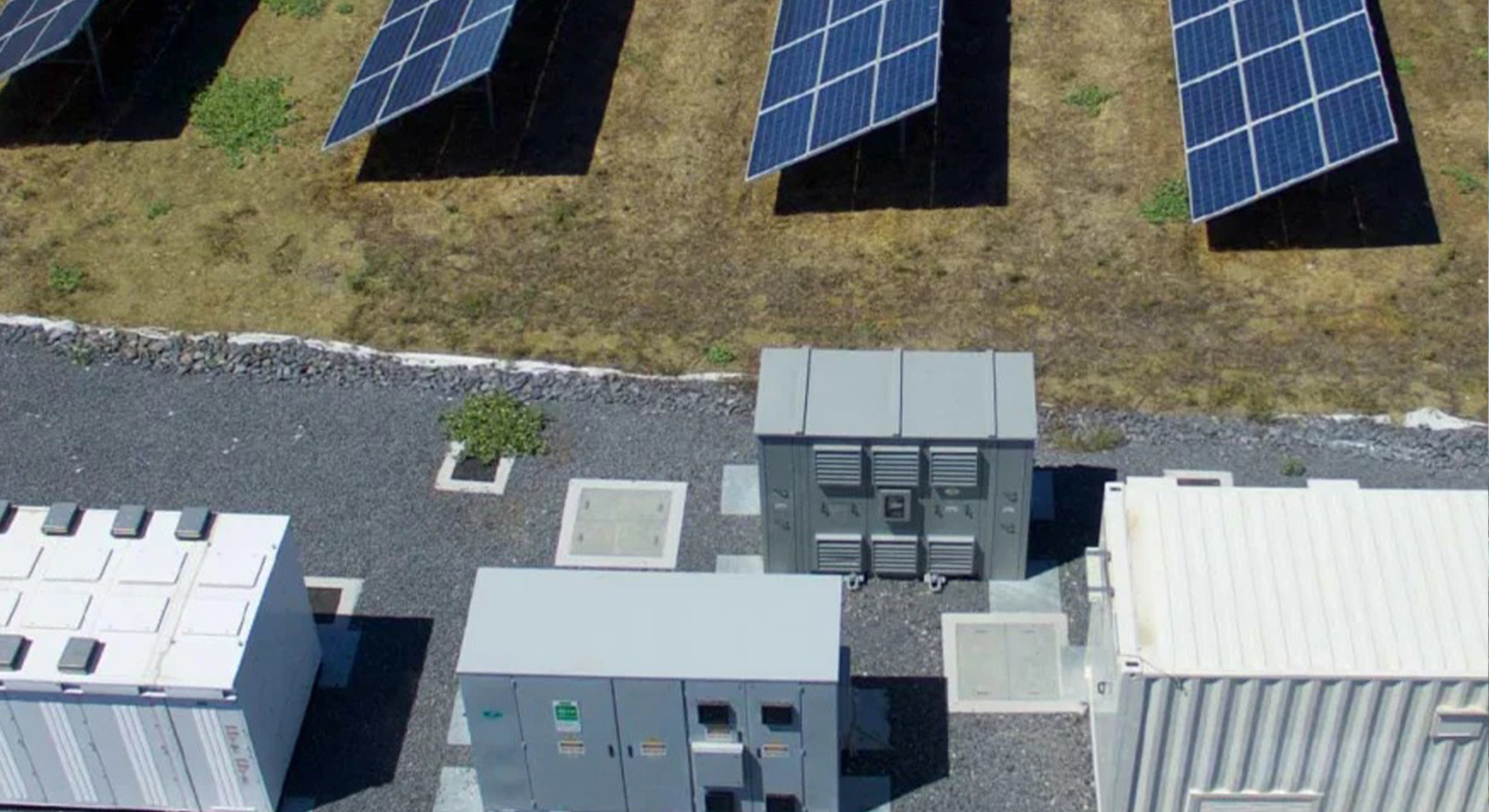
Veltol Holding is consolidating its position in the Romanian renewable energy market with a portfolio of approximately 35 MW installed and commissioned nationwide in the C&I and utility-scale photovoltaic segments, projects that have delivered average productivity 10–15% above initial feasibility study estimates. In parallel, the company launched the AI-based Veltol EMS platform in 2025 for advanced analysis and optimization, and in 2026 began integrating Battery Energy Storage Systems (BESS) and energy management into most of the portfolio's projects, with the goal of accelerating profitability, stabilizing cash flow, and transforming photovoltaic power plants into smart energy assets.
The information was provided exclusively to IndustryNews.ro by Levente Toth, CEO & Founder at Veltol Holding, who will be present as a speaker at the Solar Energy Bucharest Summit 2026 on April 23, 2026.

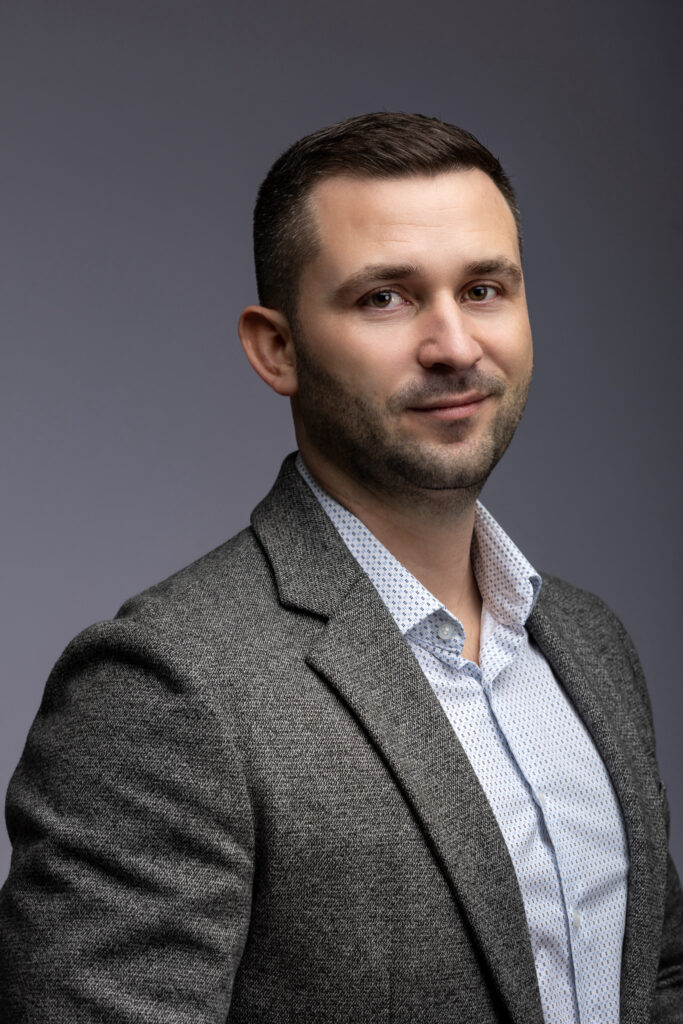
Veltol has been active in the renewable energy sector in Romania for several years. How would you describe the company's current positioning in an increasingly competitive market?
That's right, we operate in a very competitive market, and this contributes to the maturation of the industry and a clearer selection of solutions that work in practice.
Through our two divisions, Energy & Tech, we have positioned Veltol Holding on the Romanian market as technology developer and integrator, with an approach that emphasizes the functioning of systems as a whole.
Veltol Energy este divizia dedicată proiectelor din zona energiei regenerabile și acoperă dezvoltarea și implementarea de sisteme fotovoltaice de la zero, cu soluții proprii de stocare și management energetic. În paralel, divizia Veltol Tech aduce expertiza acumulată începând din 2017 – de când am fondat Veltol Holding cu capital 100% românesc – în automatizări și sisteme BMS pentru clădiri inteligente, contribuind la integrarea și controlul infrastructurii tehnologice.
This structure allows us to approach projects in a comprehensive manner, where energy production, consumption, and control are correlated from the design phase.
In practice, this translates to solutions that are adapted to the specific context of each project and that aim for stable and efficient long-term operation.

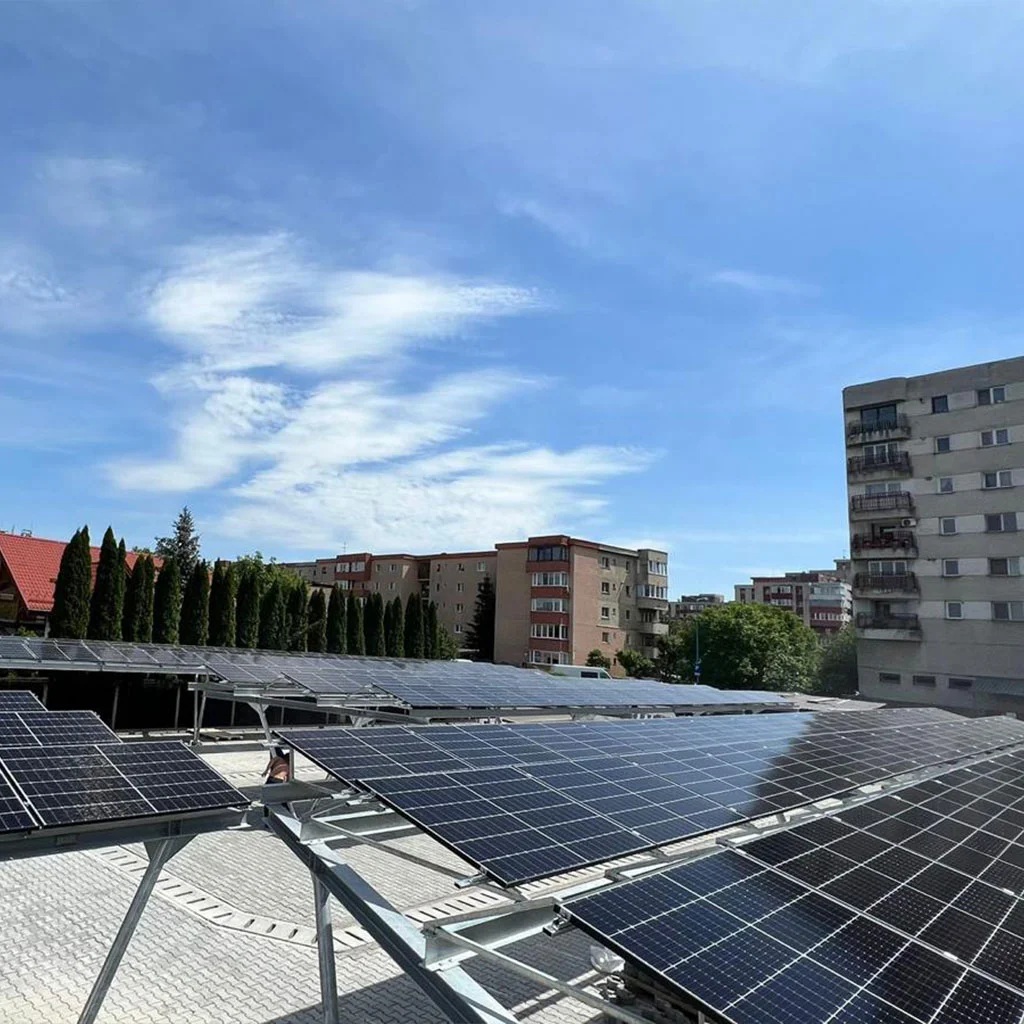
How has demand evolved in Romania across different segments, such as residential, commercial & industrial (C&I), and utility-scale projects?
În ultimii doi ani, cererea a evoluat vizibil pe toate segmentele, cu o maturizare accelerată a pieței. Segmentul rezidențial a fost motorul inițial de creștere, impulsionat și susținut în mare parte de programele guvernamentale de finanțare. Acum, însă, ritmul s-a mai stabilizat, iar deciziile sunt mai bine fundamentate, cu accent pe eficiență.
În schimb, segmentul comercial & industrial (C&I) a crescut foarte rapid, pe fondul nevoii de control și predictibilitate a companiilor asupra costurilor energetice.
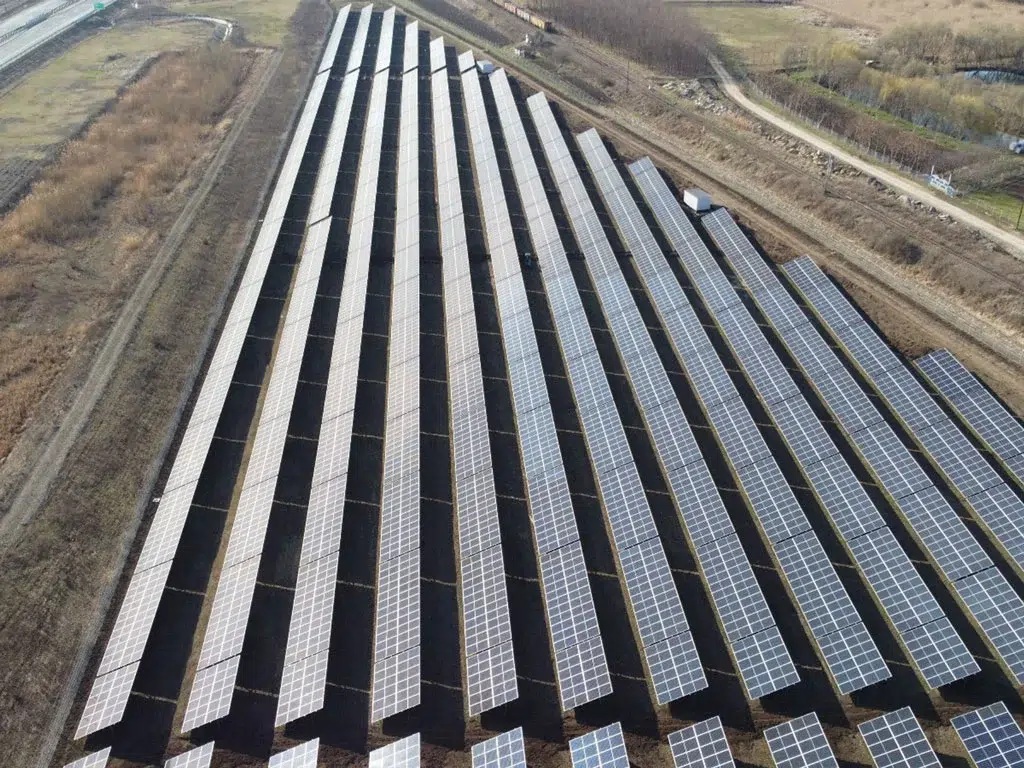
În ceea ce privește zona de utility-scale, interesul investitorilor se îndreaptă tot mai mult către proiecte care includ stocare (BESS) și management energetic (EMS), unde randamentul pe termen lung este mult mai atractiv.
What types of projects have you focused on recently, and which segments have the greatest growth potential?
Last year, we installed and commissioned a cumulative portfolio of approximately 35 MW in the C&I and utility-scale photovoltaic segment nationwide. The results confirm the chosen direction, with an average productivity% 10–15% above the initial feasibility study estimates.
Also in 2025, in parallel, we launched the Veltol EMS platform, which includes advanced AI-based analysis and optimization functionalities. The direction for the upcoming period is the expansion and optimization of this platform, so that it supports project performance and increases the competitiveness of renewable energy investments.
This year, we began integrating battery energy storage systems (BESS) and energy management systems for most projects in our portfolio, with the goal of accelerating profitability, stabilizing cash flow, and transforming photovoltaic power plants into smart energy assets, dynamically managed through advanced algorithms.
Cel mai mare potențial de creștere îl vedem în soluțiile de eficientizare energetică a halelor de producție și a centrelor logistice. Acestea sunt segmentele unde tehnologia noastră de management al energiei aduce cea mai mare valoare adăugată, pentru că poate reduce facturile cu până la 70-80%, în funcție de setările și automatizările folosite.

The Romanian market has undergone numerous legislative and price changes in recent years. How have these developments influenced your business strategy?
Legislative instability has led us to adopt a more agile and adaptive approach.
Modificările legate de tarifele de injecție au schimbat modul în care sunt gândite proiectele, iar asta ne-a determinat să transformăm aceste provocări într-o oportunitate de a promova stocarea și autoconsumul.
From a business strategy perspective, we focused on selling efficiency and even developed our own intelligent energy management solution, Veltol EMS. In this regard, we secured robust supply chains to protect our clients from sudden component price fluctuations.
How do you approach technology selection in developed projects and what are the main criteria for choosing equipment suppliers?
Our primary selection criterion is long-term reliability, up to 25 years, rather than the initial purchase cost. We collaborate with top suppliers in the premium range, such as Huawei, Longi, or Fronius, but we also carefully evaluate their ability to provide rapid local technical support.
Another important element is the compatibility of the equipment with our monitoring and control systems, so that integration is coherent and optimal long-term operation.
What are the most common challenges you encounter in developing and implementing projects in Romania?
I'll start with the eternal problem of bureaucracy in the administrative sector, a major source of ”roadblocks” for the business environment and society in general. This leads to the long time it takes to obtain connection permits (ATR), which can delay industrial projects for months and result in costs and loss of competitiveness.
Another challenge is the shortage of skilled labor in the field, which leads us to invest in our own teams of engineers, installers, and fitters, in order to keep quality standards under direct control.
Lack of predictability is another major problem. Strategic investments in any field, whether we're talking about energy, technological infrastructure, or industrial development, require fiscal stability and a consistent legal framework for at least 3-5 years.
How do you see the evolution of energy storage's role, and do you plan to integrate BESS projects into the company's development strategy?
As the share of renewable energy increased and the need for flexibility grew, the role of storage in the energy system became very important. We can say that storage is The present and future of the energy system.
The integration of battery energy storage systems (BESS) is already a central pillar of our development strategy, in addition to energy management. A correctly sized and controlled storage system can reduce the costs of energy purchased from the grid by up to 70% in a year, by increasing self-consumption and avoiding consumption during high-priced periods. Furthermore, it can reduce load peaks (peak shaving), leading to lower contracted power costs and avoiding penalties.
We develop projects that allow clients to store surplus energy during the day for use during peak hours or to provide grid balancing services. Essentially, we are transforming the prosumer into an active and profitable participant in the energy market.
What are the company's main strategic priorities for the Romanian market in the next 2-3 years?
In the coming years, we aim to position ourselves as a regional leader in hybrid and complex energy solutions. We currently have storage projects totaling 70 MWh already underway, and our goal is to expand these solutions to other regions of the country. For the next few years, we plan to increase our operational capacity nationwide to 50%, primarily targeting industrially dynamic regions with a high density of renewable projects and significant industrial consumption. Here I refer to Transylvania, Banat, Crișana, and Maramureș, especially the counties of Cluj, Brașov, Mureș, Alba, Maramureș, Timiș, and Arad, which have high potential and currently generate over 35%of new photovoltaic capacity.
Punctual, Veltol Holding's priorities are:
- Finalizarea propriului parc fotovoltaic cu stocare în județul Mureș.
- Complete digitalization of the maintenance (O&M) process through AI solutions.
- Expanding the portfolio of large clients in the industrial sector (projects exceeding 5 MW cumulatively).


