





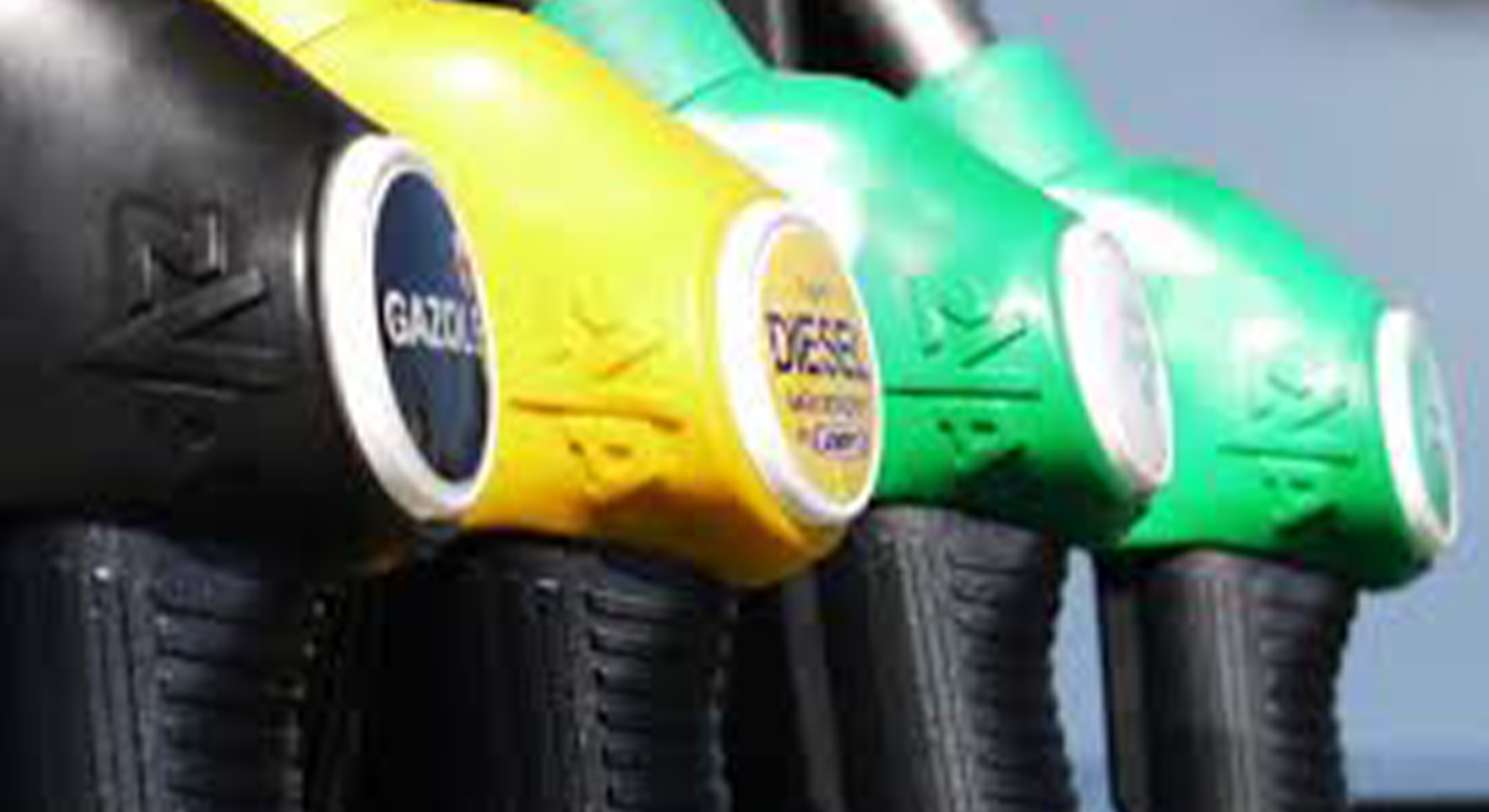
The price of major oil fuels rose on Monday as markets opened up after the escalation of the conflict in Iran over the weekend, with the rise in diesel futures outpacing the rise in crude oil prices as supplies from the Middle East turned chaotic, according to Oil Price.
Diesel faces the most acute fuel supply risk in the short term, according to Kpler estimates.
Following the disruption of supplies from the Middle East due to the de facto closure of the Strait of Hormuz, fuel prices rose by double digits on Monday morning.
Diesel oil (gasoil) futures prices on the Intercontinental Exchange hit a two-year high, rising 17% at the open. The increase in diesel prices even outpaced the 13% rise in Brent crude oil prices, which topped $80 a barrel in early Asian trading on Monday.
Diesel is facing the most acute near-term physical pressure, according to Kpler's Amena Bakr, for several reasons. These include the fact that diesel is the main fuel for military logistics, is regionally concentrated in supply, and is the hardest to replace quickly with an alternative.
The immediate impact of the conflict on diesel will be very large, Kpler expects, as the cracks will suddenly appear this week. Limited short-term alternatives make the risk to diesel supply even more acute than the risks to crude oil, jet fuel and LNG.
Combustibilul pentru avioane și țițeiul se confruntă cu un impact iminent mare, dar motorina – din cauza lipsei unei aprovizionări alternative suficiente – ar trebui să aibă un impact imediat „foarte mare”, potrivit lui Kpler, deși motorina are cea mai mică pondere din aprovizionare care trece prin Strâmtoarea Hormuz.
A total of 10.3% of the global seaborne trade in diesel transits the strait, as well as 19.4% of jet fuel and 16% of the seaborne trade in gasoline and fuel oil, Kpler's analysis showed.


