




While Energy Minister Bogdan Ivan announced that gas market offers for households were 18-23% above the capped level of 0.31 lei/kWh, which is why the regulated zone will be maintained after March 31, benchmark gas prices in Europe, which were already recording sharp increases on Monday morning, exploded. The market reacted violently after Qatar's state-owned energy company QatarEnergy announced it was halting liquefied gas production following an Iranian drone strike, AFP reports, according to Agerpres.
At around 12:30 GMT at the TTF gas hub in Amsterdam, where European benchmark prices are set, gas futures quotes were up more than 39% to €44,605 per Megawatt-hour (MWh), having previously hit their highest level since March 2025 to date, €46,200 per Megawatt-hour (MWh), a jump of 44,56% compared to Friday evening's quotes, according to Financialintelligence.
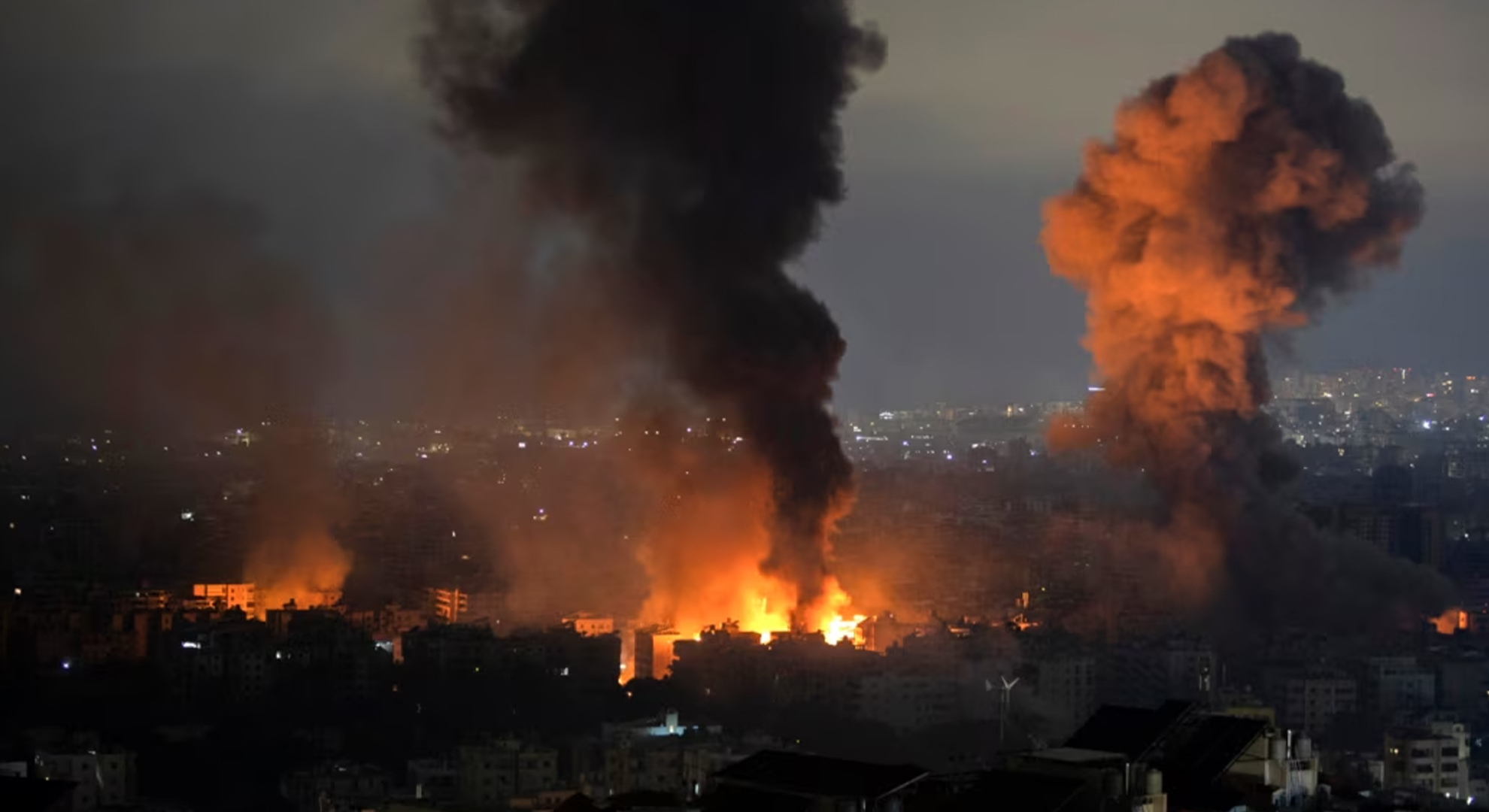
This jump came after Qatar's state-owned energy company, QatarEnergy, announced that it had suspended production of liquefied natural gas following Iranian attacks on facilities at two of its main gas processing plants.
“Due to attacks against QatarEnergy facilities located in Ras Laffan and Mesaieed industrial zones, Qatar, QatarEnergy has ceased production of liquefied natural gas (LNG) and derived products”, the company said in a statement.
Last year, Qatar exported 82.2 million tons of liquefied gas. Liquefied gas supplies from Qatar to Asia and Europe have to pass through the Strait of Hormuz. So far, at least 11 ships carrying liquefied gas heading to or from Qatar have stopped their journey to avoid the Strait of Hormuz, ship tracking data show.
However, Bogdan Ivan says Romania has enough deposits for 30 days. „We are prepared, in order to cope with the deposits that are today at the national level of all economic operators, plus the emergency deposits that we have and can be released in exceptional situations by order of the Minister of Energy, to keep a stable price of diesel and gasoline,” said Minister Ivan, quoted by Mediafax.
Ivan said that the national fuel stocks, together with the state's emergency reserves, ensure supply for at least 30 days and that gas reserves are currently above the EU average.


