





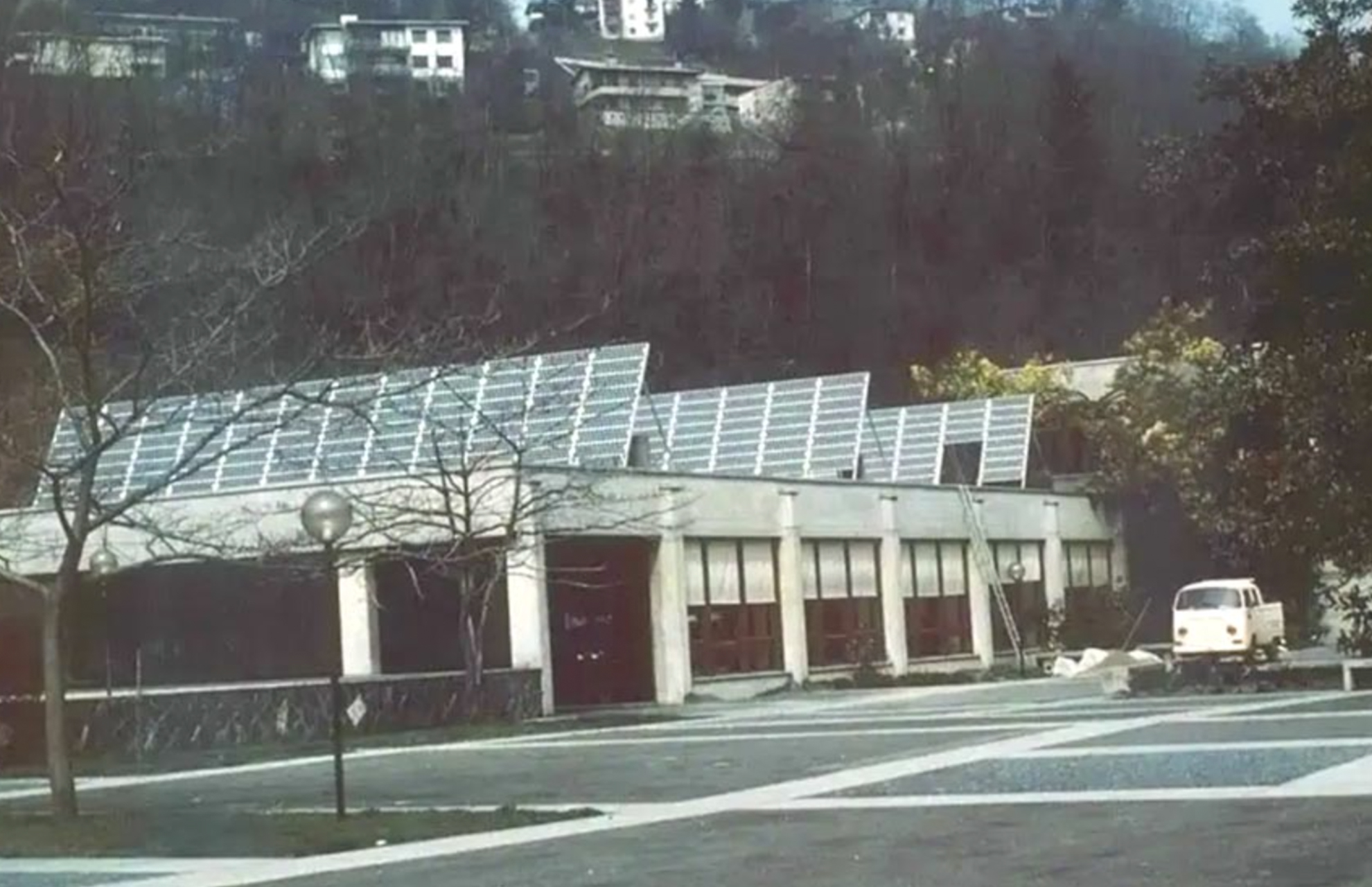
Forty-four years ago, photovoltaic panels were still in their infancy, and the idea to build the first grid-connected photovoltaic panel installation did not come until 1982, with its inauguration in 1984 in Switzerland. The amazing thing is that that installation is still working today, almost 42 years after it was installed. By the early 1980s, some countries more open to new technologies, such as Switzerland, had started using photovoltaic panels for more isolated buildings such as mountain shelters in the Alps, and their energy was used only locally, for small consumption needs, writes PiataAuto.md.
But it was also the Swiss, through Meyer Burger, who set up the machines to manufacture photovoltaic panels on a larger scale. It was clear, then, that solar energy had been intriguing innovation in this country since the 80s.

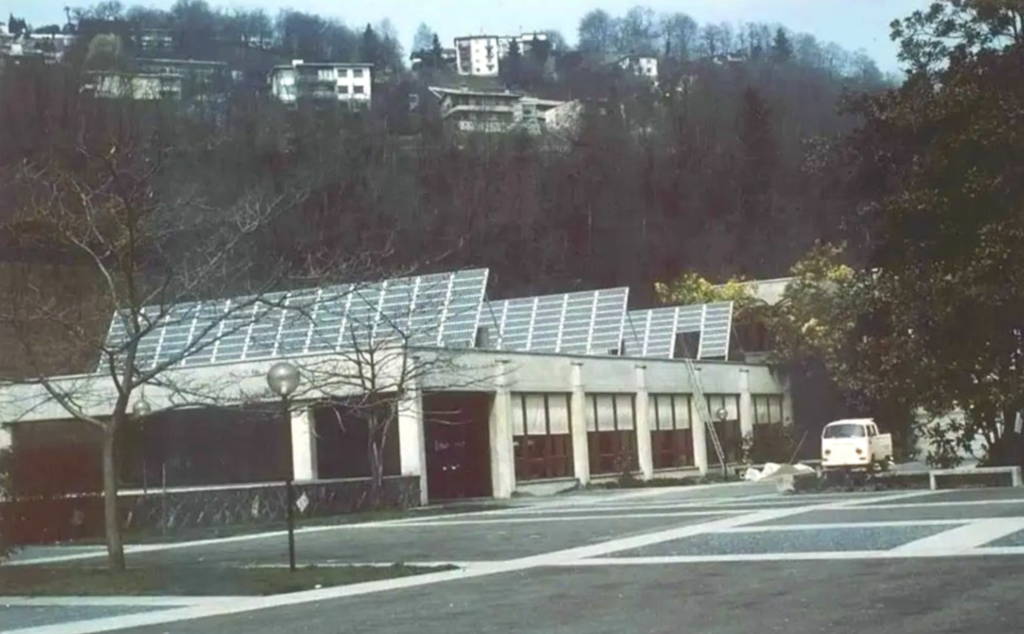
Back then, solar panels cost 21 Swiss francs per watt, dozens of times more expensive than today. It's as if a 550W photovoltaic panel today would cost 11,550 francs or €12,680, and a 10 kW installation for a house would cost 210,000 francs or €228,735. If you add inflation over this period, you arrive at huge figures. In 1984 the plant was ready and named TISO, after Ticino Solare. It had 288 modules and a total output of 10 kW, or about 34.75 W per module. The panels were made of mono-crystalline silicon cells, and the coating material, or encapsulation, was of three types, to track their different evolution over time.
The panels were connected to an inverter and then to the city's centralized electricity grid, not to an isolated university school grid, and this was a European first that attracted a lot of attention. And operating figures confirmed that such installations can make a notable contribution to electricity generation. At a very high cost at the time, but output was also important for the hope of scaling up and reducing costs.Over the years, the cables and inverter have been replaced, but the panels have held up much better. In 2019, after 35 years of operation, an in-depth inventory was done. About three-fifths of the modules were still above 80% efficiency from their original 80%, while 30 of the modules were at 93% efficiency, having remained almost undegraded over time.Today, in 2026, of the original 288 modules, 48 modules remain in operation, allowing the system to still remain operational. The remaining modules have already reached the end of their life and have been replaced by newer ones.


