





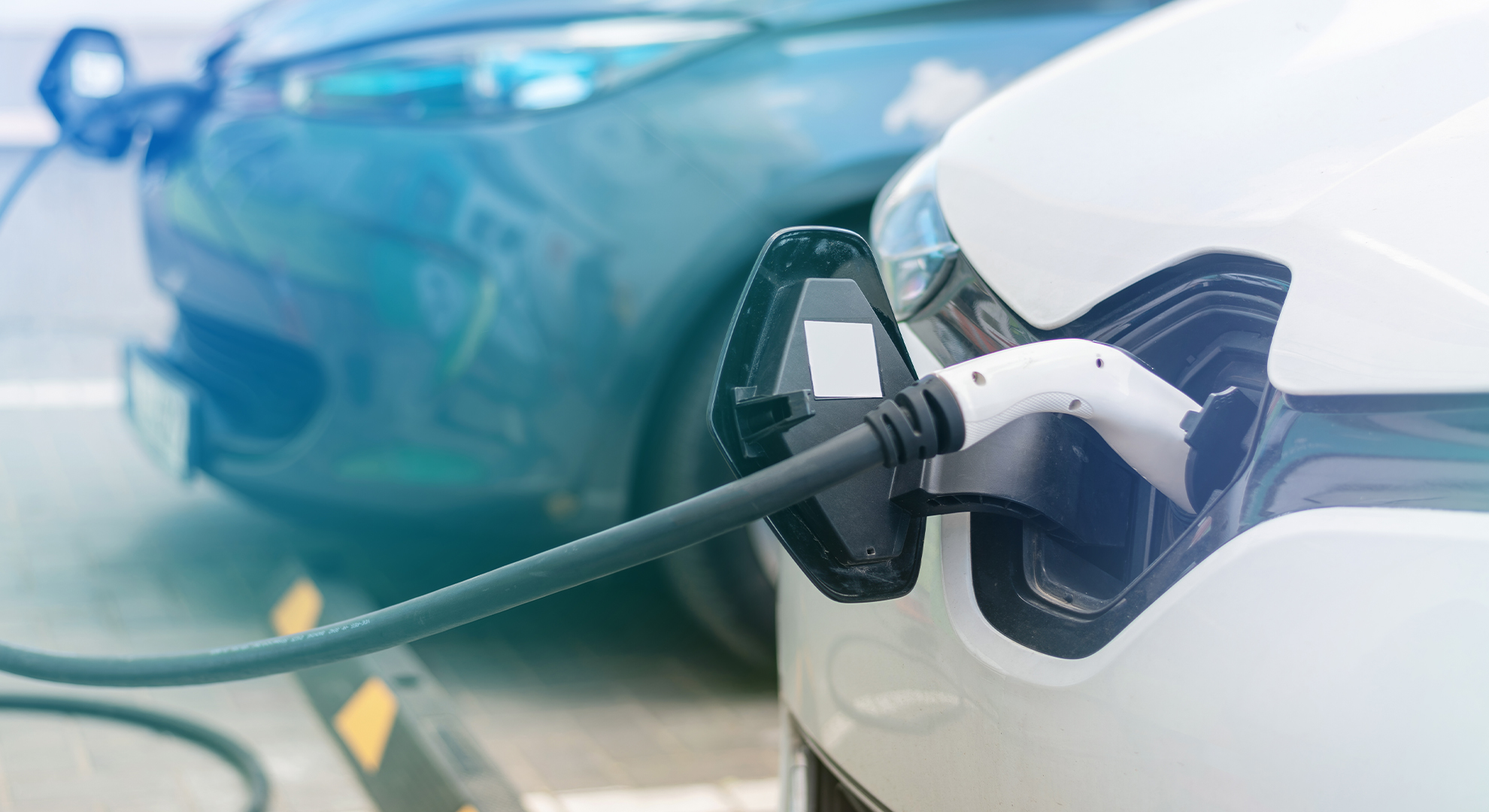
Fleet electrification represents a significant economic and climate opportunity for Europe, according to the EY and Eurelectric report Fleet Forward: powering the transition to electric mobility.
The report shows that fleet transition in Europe could generate cumulative operational cost savings of up to €246 billion by 2030. The report also estimates that full fleet electrification could reduce CO₂ emissions by up to one billion tons by 2030.
Operational cost benefits are already visible in key fleet segments. The report finds that electric passenger cars and light commercial vehicles can produce significant operational cost savings per kilometer compared to their internal combustion engine counterparts, particularly where depot or home charging predominates. Electric trucks can also achieve lower operational costs on certain routes, where charging strategy and CO₂ -based toll systems are harmonized.
However, the report makes it clear that operational cost benefits alone will not drive the expansion of electrification. The total cost of operation remains influenced by higher initial vehicle prices, uncertainty about residual value, uneven incentive structures and delays in grid connection and charging infrastructure installation.
Mihai Drăghici, Partener, Consultanță, EY România: „Raportul EY–Eurelectric confirmă ceea ce observăm în practică: electrificarea flotelor are sens economic la nivelul costurilor operaționale, însă extinderea rămâne limitată de lacune structurale în întregul ecosistem. Programele de finanțare nerambursabilă din România, precum E-Mobility și E-Move, care sprijină infrastructura de încărcare, împreună cu cadrul național mai larg pentru e-mobilitate, sunt factori importanți de susținere. Totuși, acestea necesită o predictibilitate mai mare și o aliniere mai strânsă cu nevoile reale de operare ale flotelor. EY colaborează cu operatorii de flotă, companiile de energie și factorii de decizie pentru a acoperi aceste lacune – de la modelarea costului total de proprietate (TCO) și strategiile de încărcare, până la pregătirea rețelei și structurile de finanțare – astfel încât electrificarea flotelor să poată trece de la proiecte pilot la o implementare la scară largă”.
According to the report, coordinated actions are needed across the entire ecosystem. Fleet operators need to match vehicle fleets to actual operating cycles and maximize smart charging at the depot, which the report identifies as key factors for reducing energy costs and improving operating margins. Vehicle manufacturers need to close upfront cost gaps, improve battery transparency and build confidence in residual value through buyback programs and standardized information. Policy makers need to ensure stable fiscal and regulatory predictability over several years. Grid operators and energy suppliers need to accelerate connection schedules and invest early in capacity to support electrified depots and load corridors. Financing institutions and leasing providers need to expand bundled and risk-sharing models that reduce balance sheet exposure.
Kristian Ruby, Secretary General of Eurelectric, said: „Six out of ten new cars in the European Union are sold to fleet owners, so the potential for savings and emission reductions is enormous. A well-designed fleet initiative can stimulate demand for battery electric vehicles to the benefit of European industry and energy independence”.
The report underlines that progress is real and the business case is getting stronger, but making full use of fleet electrification depends on practical coordination between industry, energy and political actors.


