





After the prices of oil, gas and refined derivatives recorded double-digit increases in just a few days, in some cases exceeding 20%, analysts fear a hyperinflationary wave that will particularly affect emerging economies in the affected areas. On Wednesday, March 3, TTF prices in long-term contracts showed an increase of 18-20% since the start of the conflict, while those on the Romanian Commodities Exchange (BRM) - one of around 17%, according to figures consulted by Industrynews.ro.
Given that Romania ended 2025 again with an inflation of 9.7% per year, it is hard to believe that the economy will be able to keep within the lines drawn by the national bank (NBR) inflation forecast of 3.9% for 2026, given the new prices of oil and derivatives, but it all depends on the duration of the conflict.
Higher oil prices, amid the conflict in the Middle East, risk diverting inflation from the baseline scenario for the end of the year and affecting the economic growth estimate of around 1%, said Iulian Lolea, chief economist of the Concordia Employers' Confederation.
”In the short term, we have seen oil prices rise on the international market before the impact is reflected in local fuel prices. It will be a relatively short period, generally a few days or weeks, given the restocking, so the impact should be limited on both inflation and economic growth. Once the conflict is over, we expect international market prices to normalize. However, this normalization does not mean a return to the levels around $70 per barrel at the beginning of the year. Once prices are above $80-82, they are likely to stabilize in the $75-76 area as a risk premium will persist for some time. In this scenario, the price of gasoline could reach 1.3-1.4 lei more than the previous levels, if the situation quickly de-escalates,” explained Iulian Lolea.
The problem? The duration of the conflict.
”Nobody knows how long it will last. And if I were to ask Mr. Trump how long it's going to take, he's not going to be able to answer me either. So I'm not going to ask him. Now let's be honest, we don't know how long this period will last while Qatari gas exports to the rest of the world will remain blocked. We don't know. If it's only temporary, I think the impact should be manageable. If it lasts long term, then we'll see an impact on gas prices around the world, which will hit China, because most of the Qatari gas goes to China, 121TPTP3T of Chinese gas comes from Qatar, and then we'll see an impact on prices. In Japan, I was reading, they are not so much concerned only about prices, but also about the question of whether the gas gets to Japan or not,” said Volker Raffel, president of AHK Romania and CEO of E.ON Romania, according to Agerpres.
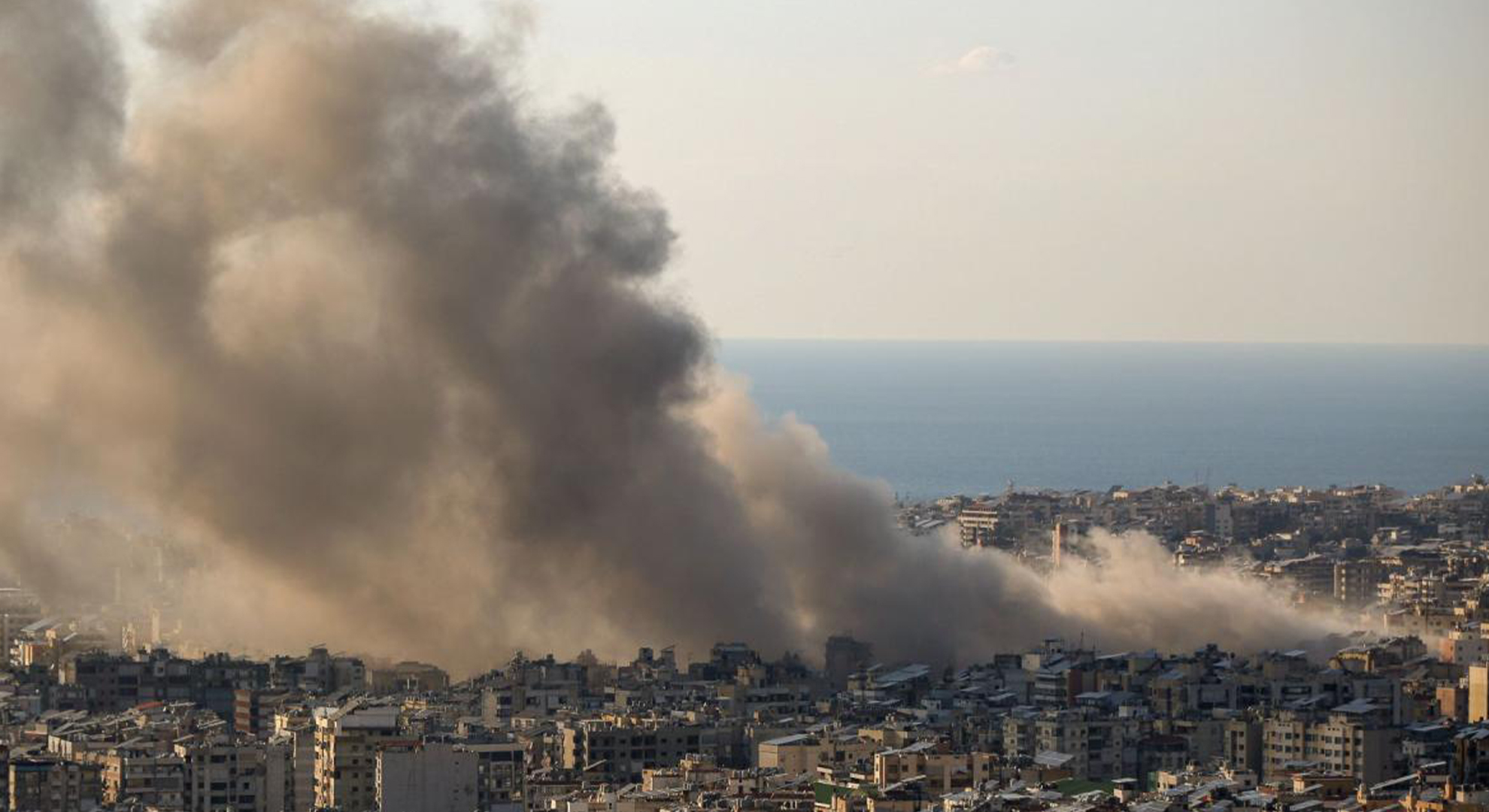
Global oil prices have risen by about 10% to 13% since the start of the most recent escalation of the Iran crisis in late February 2026. This increase follows a series of joint US-Israeli attacks on Iran, beginning around February 28, 2026, which led to the closure of the Strait of Hormuz and retaliatory strikes on regional energy infrastructure.
Prices rose from around $72 a barrel for Brent crude oil on February 27 to more than $82 a barrel in early March, an increase of almost 13%.
How much oil and gas does Iran produce?
Iran produced about 3.5 mb/d of crude oil and about 0.8 mb/d of condensate (a mixture of hydrocarbons produced together with gas) in 2025, together accounting for about 4% of global oil supply. Iran's exports in 2025 averaged 1.7 mb/d for crude oil and condensate, 0.6 mb/d for refined products and 0.4 mb/d for natural gas liquids (NGLs).
The Strait of Hormuz is crucial for nearly 20 mb/d of global oil production. Saudi Arabia, Iraq and the United Arab Emirates together exported 13.1 mb/d of oil through the Strait of Hormuz last year, with China the main destination. The International Energy Agency has estimated that 4.2 mb/d of oil flows through the Strait of Hormuz can be rerouted using existing pipeline capacity, implying that about 16 mb/d of oil flows are at risk from a complete closure.
What does the conflict in Iran mean for gas prices?
There is a significant risk that European gas and global LNG prices could rise, according to Goldman Sachs Research. The most critical impact on global gas markets would come from a disruption to the approximately 80 million tons per year of LNG (19% of global LNG supply) that typically flows through the Strait of Hormuz.
In a scenario in which LNG flows through the Strait of Hormuz are completely halted for a month, Goldman Sachs Research estimates that Dutch natural gas, or TTF, could approach €74/MWh. A hypothetical longer disruption of natural gas supply transit through the Strait of Hormuz, lasting more than two months, could likely increase European natural gas prices to above EUR100/MWh. TTF natural gas traded on Friday at around €31.6/MMh.


