





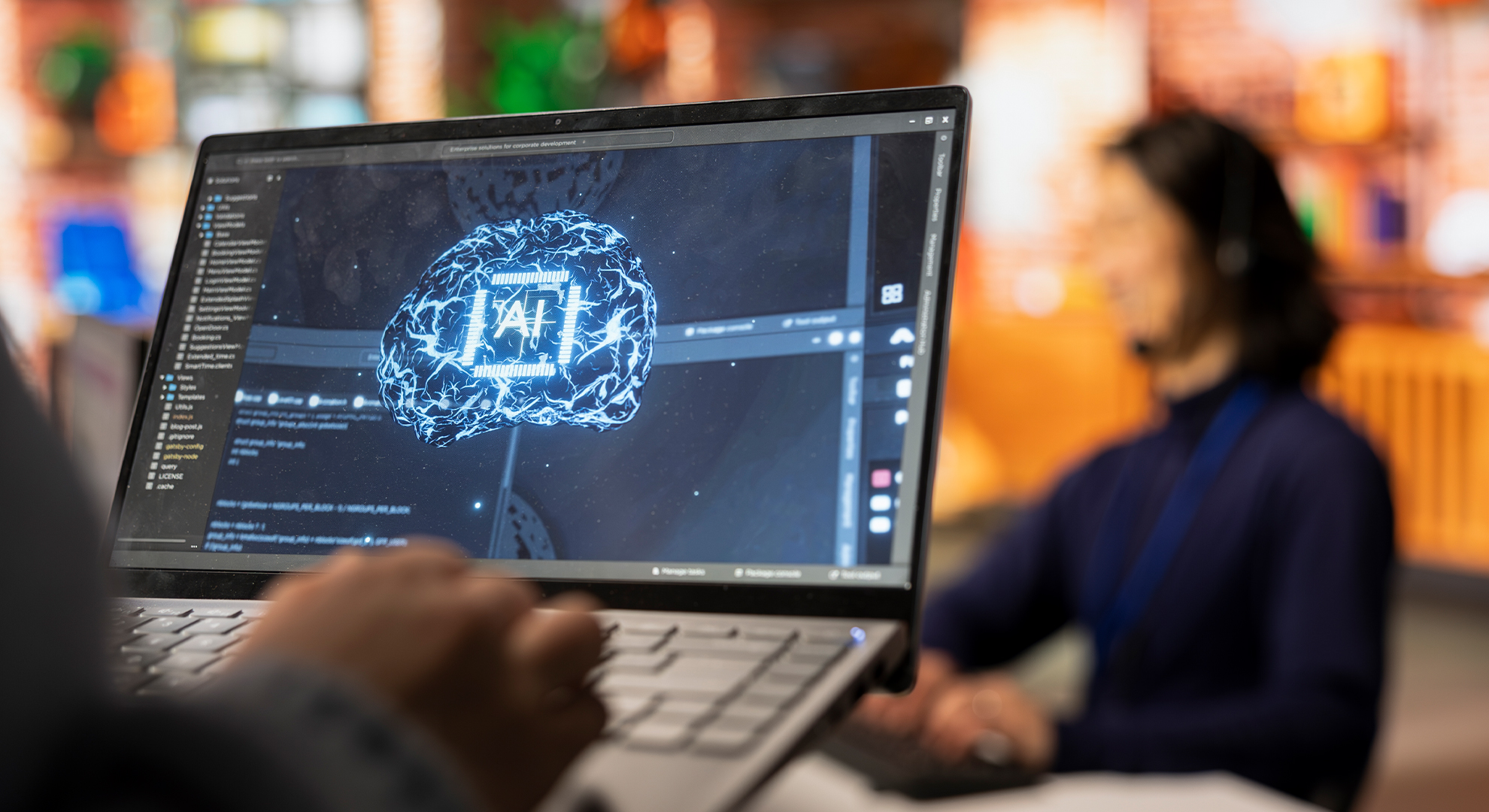
With the start of Q2 2026, AI recruiting trends are accelerating for US staffing firms. With 84% of talent acquisition (TA) leaders planning AI adoption this year (Korn Ferry TA Trends 2026) and 69% already using it in recruiting (SHRM 2026 HR Tech Report), the shift from manual processes to autonomous systems is undeniable. For agencies handling high-volume temporary, contract, and permanent placements in sectors like IT, healthcare, and retail, these trends mean a 40-50% faster time-to-fill, but only if managed with compliance and human oversight.
What are the main trends in AI recruitment in 2026? From AI „teammates” to skills-based hiring, here's a preview from Recruitment Smart of the 10 essential changes:
1. Agentic AI agents are becoming autonomous „teammates”
IA Agentic, automated systems that identify, screen, and schedule without prompts, represent the strongest AI recruiting trend in 2026. Over 52% of TA leaders are planning to implement them (Korn Ferry), with Gartner forecasting that 33-40% of enterprise applications will integrate them by year-end.
Impact on Personnel: Automating high-volume IT or retail workflows 24/7, reducing administration by 40-50%%.
Pilot instruments such as SniperAI ensure governance in compliance with Equal Employment Opportunity Commission (U.S. Equal Employment Opportunity Commission) to avoid the risks of biased actions.
2. The „strong couple” of human-AI redefines recruiters' roles
IA gestionează procesarea datelor; oamenii conduc prin intuiție și relații. 73% dintre profesioniștii în TA prioritizează gândirea critică, ceea ce face ca fluxurile de lucru hibride să fie noua normă în domeniul inteligenței artificiale (IA) în recrutarea din 2026.
Impact on Personnel: Recruiters are elevated to the level of client strategists, improving placement quality in high-contract markets.
3. Full automation transforms talent channels
Full-cycle AI, from JD analysis (of unstructured parameters in CVs) to integration, saves over 50% of weekly time.
Metaview reports agentic tools that summarize interviews and seamlessly update ATS (automation tools).
This way, placements are scaled without sudden increases in the number of employees, ideally for sudden increases in the number of healthcare employees.
4. Proactive AI Acquisition Reaches Mainstream Adoption
AI continuously builds talent pipelines through LinkedIn scans and market analysis. Bullhorn data shows 3.5-4.5x revenue growth for AI users.
These are useful in combating the candidate shortage in tech hubs like Silicon Valley or Austin in the US.
Using semantic search tools provides better insight through AI-based talent search strategies for high-volume hiring.
5. Alegerea talentelor bazată pe competențe – inteligența artificială sare peste cuvintele cheie din CV-uri
Agentic AI evaluates skills through GitHub, assessments, and portfolios. This 2026 TA trend prioritizes fit over formats.
This allows for faster and more diverse selections for temporary roles in the workforce.
6. Fluency in using artificial intelligence is becoming essential for candidates and teams
Circa 85% din echipele de inginerie utilizează inteligența artificială săptămânal. Tendințele de recrutare bazate pe inteligență artificială în 2026 necesită fluență în aplicații și etică.
These are useful in selecting expert talent in artificial intelligence in growing markets.
7. Ethical AI Compliance Intensifies Under EEOC Scrutiny
The EU's AI Act classifies AI in recruitment as high-risk until August 2026; the US EEOC calls for audits of impartial actions. Transparency is non-negotiable when it comes to AI in 2026 recruitment.
This is how fines can be avoided in regulated sectors such as finance.
8. Vocal and Multimodal Artificial Intelligence Enhances Candidate Experiences
Vocal screening and video analysis are implemented at a faster pace, analyzing tone for high volume roles such as call centers. These are particularly useful for retail staff by providing multimodal insights.
9. Hyper-personalized communication with artificial intelligence increases engagement
Artificial intelligence creates personalized messages, increasing candidate response rates by 65%. A useful tool for tight candidate economies.
This way, ”passive talents” can be hired more quickly.
10. Recruiters transition to strategic oversight roles
AI amplifies, not replaces, with people focusing more on empathy and consulting.
This AI recruitment trend in 2026 promotes HR professionals.
Why do these AI recruitment trends matter in 2026 for recruiting firms?
T2 2026 is the era of integration: Agentic AI + Human Insight = Over 50% Efficiency Growth% Amidst steady US hiring and beyond. Late adopters face slower occupations, losing out to market leaders, concludes the Recruitment Smart analysis.


