





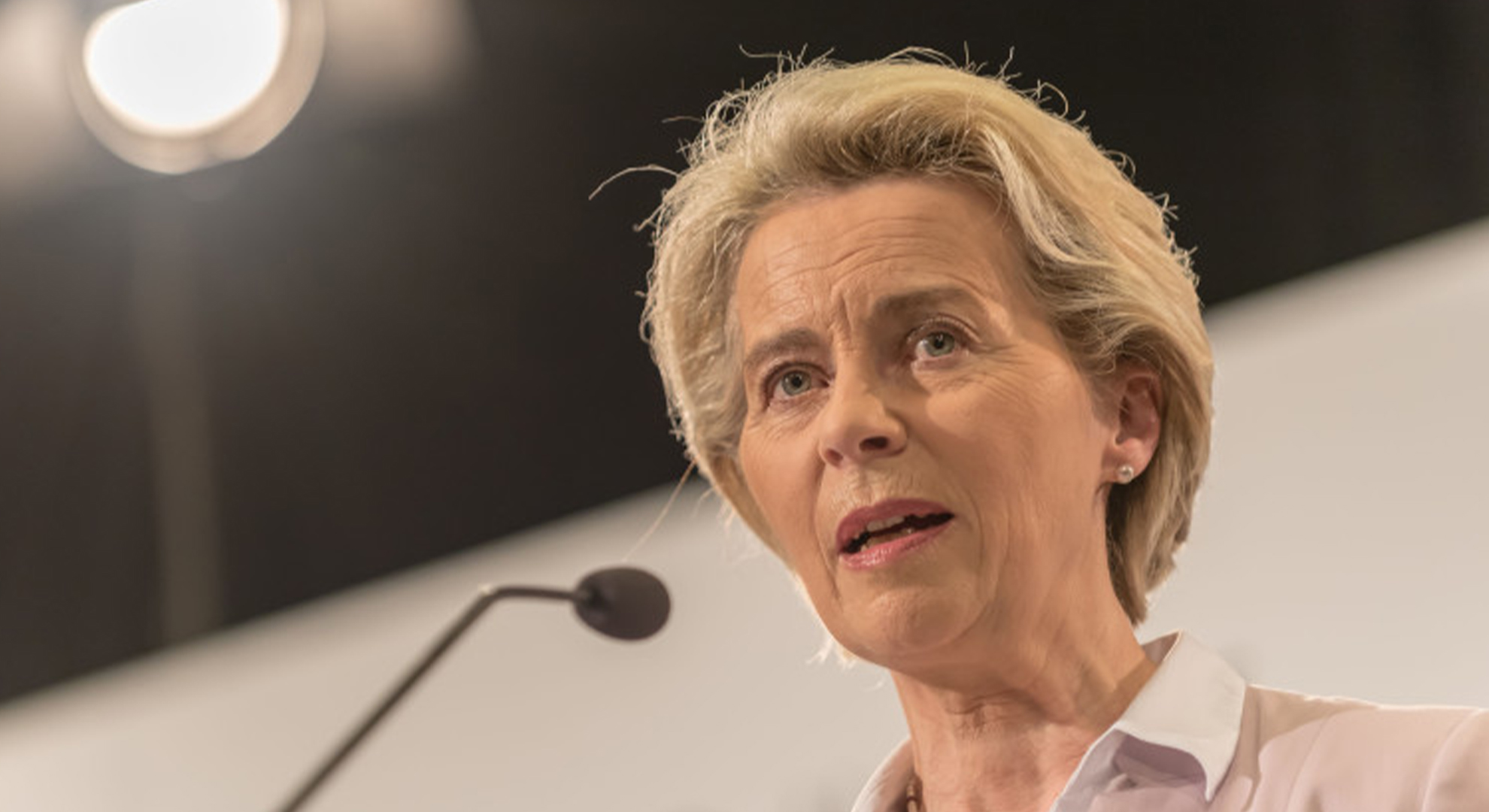
While Romania already has a new cap-and-trade system in place, the European Union is also considering measures to bring down energy prices, including by capping gas prices, European Commission President Ursula von der Leyen said on Wednesday, according to Reuters.
Even before oil and gas prices spiked because of the war in Iran, Brussels had drafted proposals to try to help industries that say high energy prices are preventing them from competing with rivals in China and the United States.
„It is crucial to reduce the cost impact when gas sets the price of electricity,” von der Leyen told the European Parliament.
„We are preparing different options: better use of power purchase agreements and contracts for difference; state aid measures; and we are exploring subsidizing or capping gas prices,” she said.
In Romania, the scheme to protect gas and heating consumers was adopted last week and published in the Official Gazette on Monday, March 9. The Intelligent Energy Association (AEI) emphasizes that this is a mechanism similar to a price regulation, with clear limitations and rules, applicable for one year.
The new normative act establishes temporary measures applicable to household gas customers and producers of heat energy for the population in the period from April 1, 2026 to March 31, 2027, after the expiry of the current cap scheme (March 31, 2026). The aim is to prevent sudden and unpredictable increases in natural gas prices and to protect the population in the context of market volatility and geopolitical risks.
Gas price cap to divide EU governments
Sistemul de energie electrică al UE este conceput astfel încât gazul stabilește prețul energiei. Adesea, ultima intrată este o centrală pe gaz – astfel încât creșterile bruște ale prețurilor gazelor pot duce la creșterea prețurilor energiei electrice, chiar și atunci când o mare parte din energie este produsă din surse regenerabile sau nucleare mai ieftine.
The EU introduced a cap on gas prices in 2022, when Russia invaded Ukraine and cut gas supplies to Europe, driving prices to record highs and forcing some industries to shut.
The cap was designed to take effect if European gas prices reached €180 per megawatt-hour. The EU mechanism was never activated and expired last year.
The cap has been challenged by governments including Germany and the Netherlands, which have warned it would hamper Europe's ability to secure its fuel supplies in a crisis, especially if Asian buyers could outbid European buyers to secure liquefied natural gas cargoes.
Some LNG tankers heading to Europe have already diverted to Asia since the start of the Iran war, after Qatar, India's main supplier, halted LNG production.
Von der Leyen a mai spus că revenirea la energia rusească ar fi „o gafă strategică” și ar face Europa mai vulnerabilă. Prim-ministrul Ungariei, Viktor Orban, a cerut săptămâna aceasta UE să ridice sancțiunile energetice impuse Rusiei – care interzic majoritatea importurilor de petrol rusesc – pentru a reduce prețurile.


