





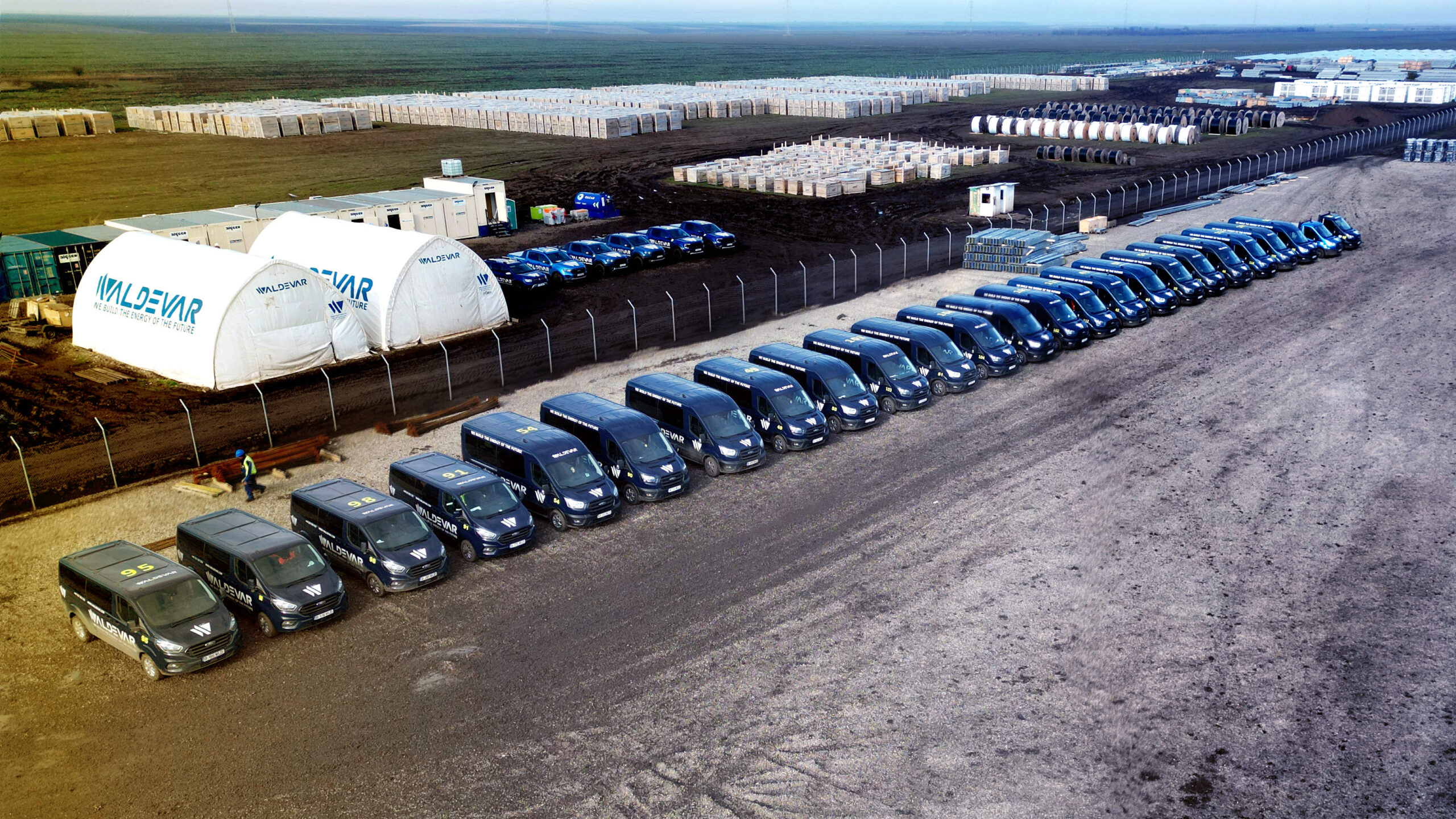
International expansion and the development of new business lines mark a stage of maturity for companies in the renewables sector, against the backdrop of growing large-scale projects and the need for integrated solutions. In an exclusive interview with IndustryNews.ro, Cristian Dragomir, CEO of WALDEVAR Energy, states that floating PV and the integration of storage are becoming strategic directions, as the company expands its presence in European markets such as Italy, Germany, and the Czech Republic. WALDEVAR will have a stand at the Solar Energy Bucharest Summit, organized on April 22-23, 2026, at the Palace of the Parliament.
WALDEVAR has accelerated its international expansion in recent years. What new markets have you entered recently, and what are the criteria you use to select these countries for development?
In recent years, the company has taken concrete steps towards internationalization, with a particular focus on European markets experiencing accelerated development in the renewable energy and grid infrastructure sectors, such as Italy, Germany, and the Czech Republic.
The selection of these markets is based on criteria such as regulatory framework stability, market maturity, access to support schemes, grid capacity, and the existence of a solid project pipeline. At the same time, the availability of local resources and the level of competition in the EPC area are also analyzed. The company's strategy targets markets where it can bring a real competitive advantage, either through rapid execution capabilities or through accumulated know-how in complex projects.
You have launched a new business line in floating PV. How is this segment evolving and what role will it have in Europe, including in Romania?
Floating PV represents one of the most important innovation directions for the company and directly addresses the limitations related to land availability. For WALDEVAR, this segment is both a natural extension of its photovoltaic activities and a strategic pillar, supported by significant investments, including in a dedicated floating structure factory – a unique project in Europe.
Integration with hydroelectric power plants offers the greatest potential, allowing the use of existing infrastructure and optimizing water resource and energy production management. In this context, the company is developing the Nufărul project in Romania, considered one of the most complex floating PV projects in Europe. At the European level, this segment will gain relevance, especially in markets with pressure on land use.


What is WALDEVAR's installed capacity in Romania and how has it evolved in recent years?
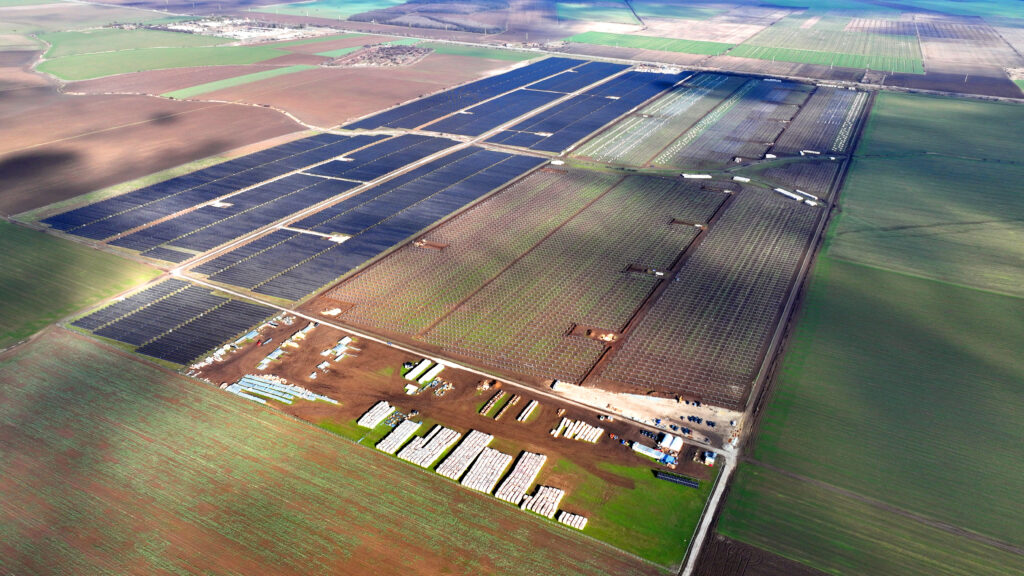
Installed capacity has significantly increased, with the transition from medium-sized projects to utility-scale developments. The company has contributed to the installation of over 3 GW of photovoltaic capacity in Romania, an evolution supported by increasing demand and the consolidation of internal engineering and execution capabilities.
The growth rate is expected to continue, driven by new support schemes and decarbonization goals.
How does the company's strategy change with the development of the energy storage (BESS) segment?
Integrating storage solutions represents an essential step in the evolution of the portfolio. The strategy is shifting from a predominant EPC model for production towards integrated solutions, which include flexibility and operational optimization.
BESS systems will play an important role in increasing project bankability, facilitating grid integration, and maximizing revenues, including through ancillary services and market mechanisms. In the coming years, a significant portion of new projects will include storage components.

How do you differentiate yourselves in an increasingly competitive market?
Differentiation is based on rapid execution capabilities, control of critical resources, and experience in complex projects. The company adopts an integrated EPC approach, with a focus on engineering, procurement optimization, and efficient site management.
Standardization and operational efficiency enable rapid scaling of projects, while flexibility in adapting technical and commercial solutions represents a significant competitive advantage.
What are the main challenges in implementing international projects?
The challenges are mainly due to regulatory differences, authorization processes, and the specificities of each market regarding grid connection. Logistics and resource management become more complex in new markets, and contractual and financial risks can vary significantly.
Comparatively, in Romania, the advantage lies in the knowledge of the legislative framework and local ecosystem, although challenges related to network infrastructure and approval times persist.


