





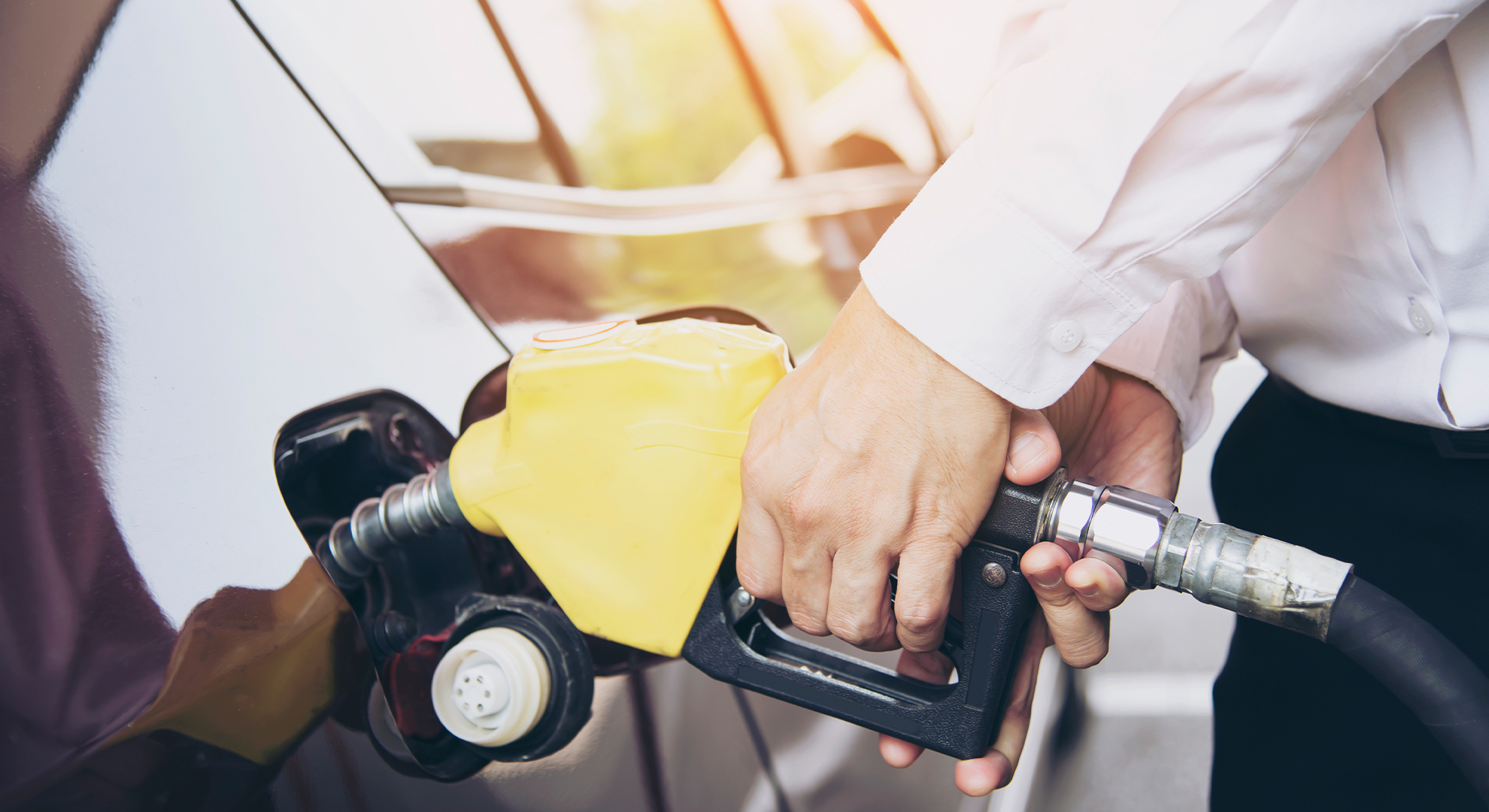
The Intelligent Energy Association (IEA) proposes that the Government adopt a national plan to respond to the fuel crisis generated by the Gulf War.
”Romania is not isolated from these realities. Our economy, transportation, agriculture, and food supply depend heavily on gasoline and diesel fuel. Every truck carrying food, every bus taking people to work, every piece of agricultural machinery in the field runs thanks to these fuels. That is why the idea of a national fuel-saving plan may seem inconvenient, but it is actually an act of responsibility. It's not about arbitrary restrictions or panic, but about preparation. Governments that wait for a crisis until shelves are empty or prices explode are derelict in their responsibility.” Dumitru Chisăliță, President, AEI, told us.
He claims that cheap and abundant energy can no longer be considered a certainty. Global markets are becoming increasingly unstable, and regional conflicts can have immediate effects on supply. Under these conditions, states that do not prepare their economies for energy shocks risk paying a much higher price when the crisis hits.
”A fuel savings plan doesn't mean asking people to make unnecessary sacrifices. It means using what we have more intelligently, for as long as we have it, and stocking up for times of crisis. It means reducing waste, modernizing transportation, investing in infrastructure, and prioritizing truly essential sectors.
„Also, one thing that might seem uncomfortable must be said: a part of our current fuel consumption is simply inefficient. Cities stuck in traffic, millions of kilometers traveled unnecessarily, imperfect logistics, and an exaggerated dependence on the individual automobile. All of these cost money, energy, and time.”Chisaliță also said.
Energy crises have a paradoxical effect: they expose the weaknesses of a system, but at the same time create an opportunity to change it. A national fuel-saving plan can become a turning point for Romania. Not just to manage a temporary crisis, but to build a more efficient and modern transport system, says the analyst.
”The government has the obligation to lead this effort with clarity and transparency. But the success of such a plan does not depend only on decisions made in ministerial offices. It also depends on citizens' understanding and responsibility. In reality, each of us is part of the country's energy system. The way we travel, the way we use our cars, our daily mobility decisions – all these influence society's total consumption.
”Romania must not become a country of restrictions, but a country of efficiency. The real challenge is not to consume less out of obligation, but to consume more intelligently. Because, in a world where energy is becoming increasingly strategic, the states that learn to manage their resources will be the ones that remain stable and prosperous. And those that ignore reality will discover too late that energy dependence is not just an economic problem, but a national security one.” states the energy specialist.
”There is a simple truth about energy that modern societies often prefer to ignore: our prosperity depends on resources that are neither infinite nor guaranteed. As long as gas stations are full and prices are relatively stable, energy seems like a trivial matter. But the reality is much harsher.
”Behind every liter of gasoline or diesel is an extremely fragile global network, maritime routes, tense geopolitical regions, volatile markets, and vulnerable infrastructure. When one of these elements falters, the entire global economy feels the effects. The conflict in the Gulf region and the tensions over oil routes remind us exactly of this: energy security is not a theory, but a concrete matter of economic survival.”.


