

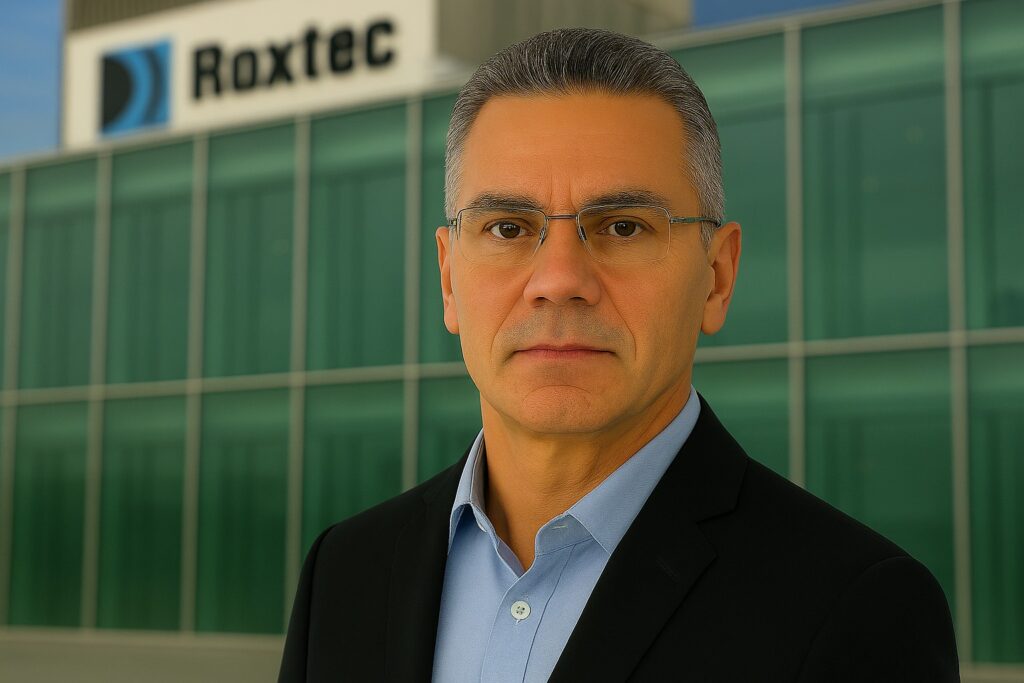
Compromises made during the execution phase of renewable energy projects often lead to significant operating costs, warn company representatives. According to Andrei Baby, Sales Manager Roxtec Romania, in an interview granted exclusively to IndustryNews.ro, cost and deadline pressures often lead to the adoption of improvised technical solutions, affecting the long-term reliability of the energy infrastructure. At the same time, he stresses that market maturation brings a paradigm shift, with increasing focus on sustainability, technical standards, and the correct integration of solutions from the design phase itself.
How has Roxtec's business evolved in the context of accelerated construction of photovoltaic and wind farms in Romania and the region?
The accelerated growth of investments in photovoltaic and wind farms has led to a significant expansion of Roxtec's involvement in energy infrastructure projects in Romania and the region. We are observing a clear transition from minimalistic, cost-driven approaches to technical solutions that prioritize reliability and long-term durability. Specifically, requests for certified cable sealing solutions for power, control, and communication cables in transformer substations, electrical containers, inverters, and cable-to-structure transition zones have increased in both volume and technical sophistication.
Based on recent project experience, where do the biggest difficulties arise during the execution phase of renewable energy parks?
The most frequent difficulties arise at the interface between disciplines and subcontractors, not necessarily at the level of main equipment. During execution, we often encounter insufficiently clarified design details for cable penetrations, temporary solutions adopted in the field to meet deadlines, and a lack of clear responsibility for the integrity of the electrical and environmental envelope. These aspects become critical when multiple parties are involved, and sealing solutions are treated as minor details, even though their impact on subsequent operation is major.
What new requirements are you observing from developers and EPCs regarding the reliability and protection of electrical infrastructure?
A clear maturation of technical requirements is observed, especially from developers with international experience. They are requesting certified protection against water, dust, and condensation, resistance to thermal cycles and vibrations, as well as tested solutions for long service life, correlated with the fleet's lifecycle of 20-30 years. Furthermore, there is growing interest in solutions that allow for maintenance, extensions, and upgrades without compromising the initial integrity of the installation.
In practice, how early are critical technical solutions integrated into a project?
Ideally, critical solutions should be integrated from the design phase, but in practice, they are often defined late, sometimes even on-site. This frequently leads to last-minute changes, makeshift solutions, additional costs, and delays. Our experience shows that early involvement of specialized solution providers significantly reduces these adjustments and increases execution predictability.
In the context of cost and deadline pressures, where do the most frequent compromises occur?
The most common compromises occur at the level of cable transit seals, moisture and dust protection in containers and stations, and future expansion capacity. In the short term, these compromises may seem acceptable, but during operation, they frequently lead to leaks, degradation of cables and equipment, unplanned shutdowns, and high maintenance costs.
How do requirements change in the context of increasingly complex projects, including those with storage?
The integration of storage and the increasing density of electrical equipment are fundamentally changing technical requirements. Companies are seeking solutions that offer flexibility for variable cable configurations, high safety, and adaptability for future upgrades. In this context, modular, tested, and standardized solutions are becoming essential to ensure the safe and predictable long-term operation of energy infrastructure.
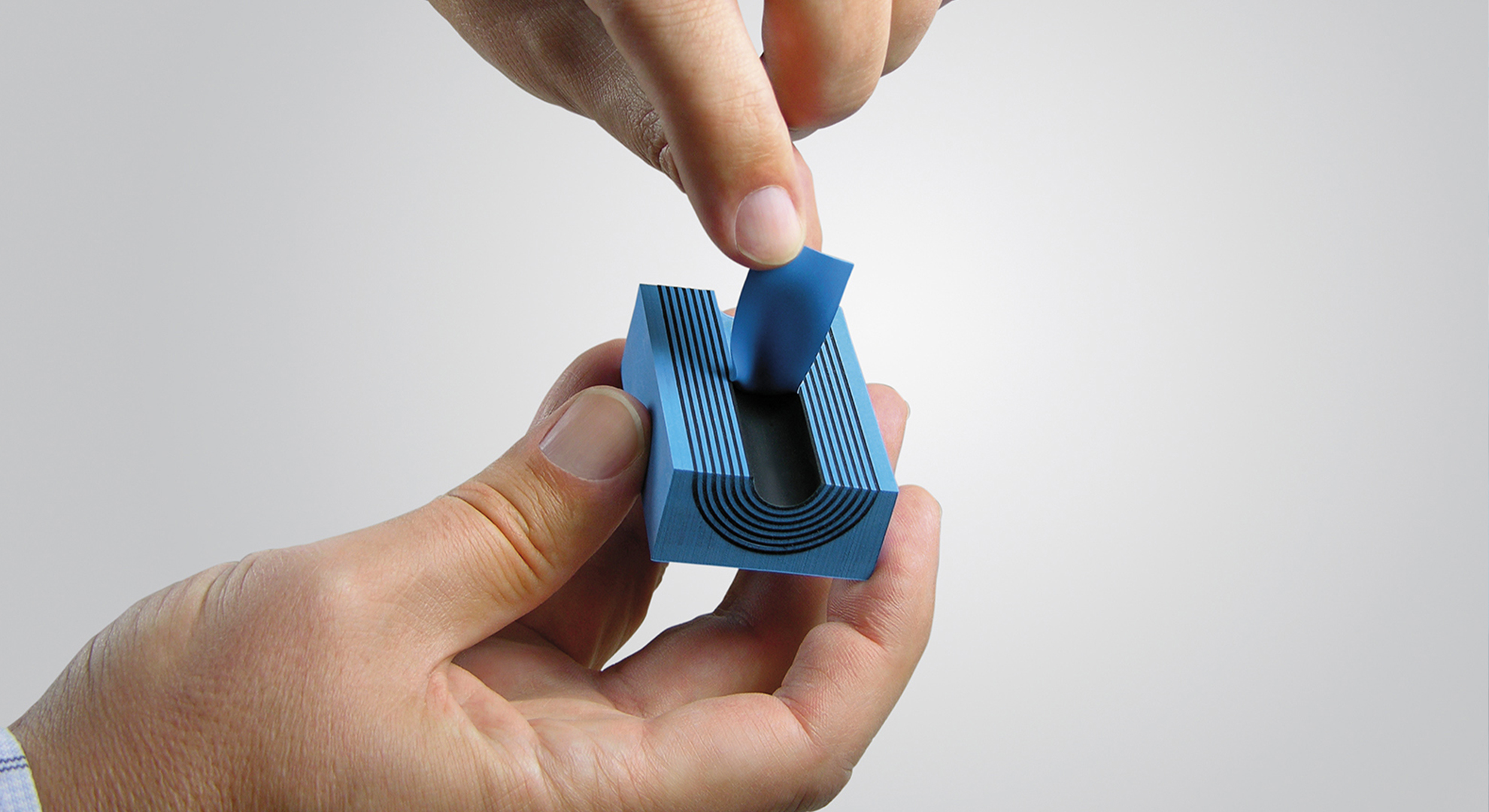
Roxtec is a global company specializing in sealing solutions for cable and pipe penetrations, used for protection against water, fire, gas, dust, and vibrations in critical infrastructure within the energy, industrial, and construction sectors.
The company will be present at the Solar Energy Bucharest Summit 2026, which will take place from April 22-23 at the Palace of the Parliament.