





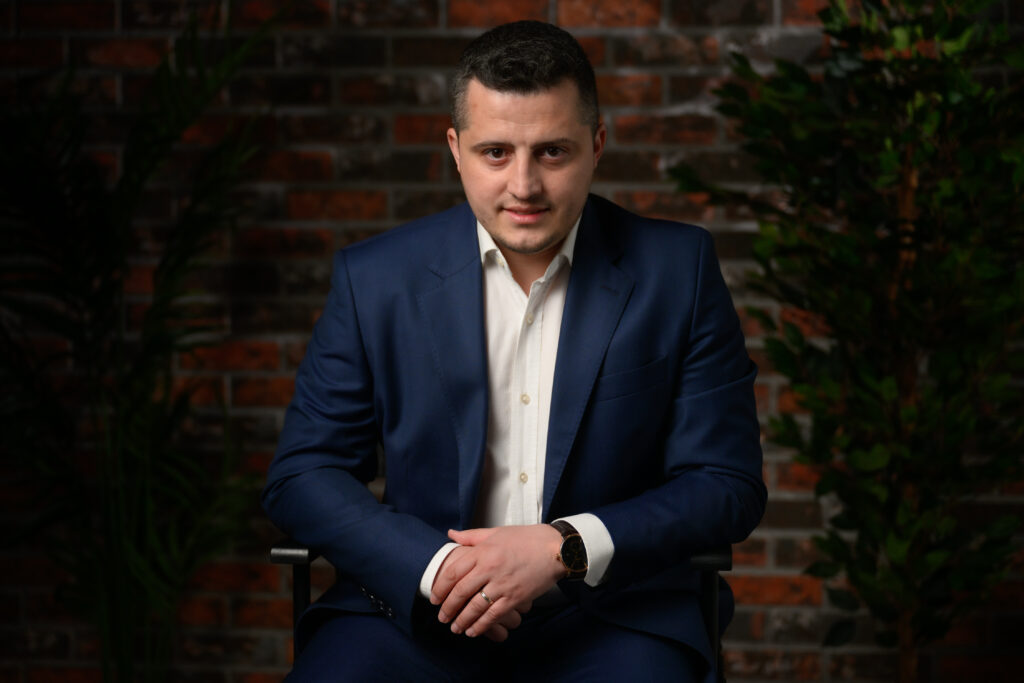
Photovoltaic projects are undergoing a paradigm shift, where the focus is moving from simple energy production to consumption optimization and real-time control. In an exclusive interview with IndustryNews.ro, Cosmin Cheran, a representative of Think Blu Solution, explains that the economic outcome of a system is no longer determined solely by its production, but by how the energy is utilized. Cosmin Cheran will be a speaker at the Solar Energy Bucharest Summit, organized from April 22-23, 2026, at the Palace of the Parliament.
In the projects you are implementing, how much are we talking about simply producing energy versus optimizing consumption and real-time energy control?
Today, simply producing energy is no longer enough. For most prosumers, the question is no longer how much the system produces, but how much of that energy is used efficiently. For this reason, consumption optimization and real-time control are becoming central elements in the project.
In practice, a system can have good production, but without visibility and control over consumption, the economic result may fall short of expectations. Projects are increasingly conceived as tools to reduce total energy costs, not just as sources of production.
What does „active prosumer” mean in practice for an industrial customer?
For a client in the C&I sector, the concept of an „active prosumer” implies a fundamental change in approach. It's no longer enough to produce and deliver surplus to the grid without a strategy.
Companies are beginning to adapt their operating methods, correlating production with consumption and using solutions such as storage to reduce dependence on purchased energy during unfavorable times. In practice, production and consumption are analyzed together, and interventions are made where differences arise that generate costs.

How does the integration of an energy management system influence a project's profitability?
An energy management system (EMS) does not directly influence the production or price of energy, but it can streamline consumption. The impact on profitability only occurs when there are elements that can be optimized – adjustable consumption, integration with other controllable systems or processes.
In the absence of these conditions, EMS remains a monitoring tool with limited economic impact. Instead, in projects where there is operational flexibility, it can contribute to cost reduction and loss prevention.
How important does managing consumption based on tariffs become in the context of market volatility?
The importance of managing consumption depends on exposure to variable prices. In the current market, price differences during a single day can be significant, including periods with very low or even negative prices.
Companies exposed to these variations adapt their consumption, avoiding expensive periods and using more during favorable ones. In parallel, monitoring, control, and in some cases, storage or participation in flexibility mechanisms are emerging.
What are the most common situations where clients lose energy or money due to the lack of a management system?
The most common losses are generated by a lack of visibility into consumption. A typical example is equipment operating outside of scheduled hours, unrelated to actual activity.
Situations also arise where equipment operates simultaneously without being necessary or operates inefficiently. Without monitoring, these problems are not apparent. With a management system, they become visible and can be corrected through automation or by adjusting operations.

How does the role of energy management systems change with the integration of storage?
With the introduction of storage, EMS becomes the central element that manages energy flows between generation, battery, and consumption. Generated energy, consumption, and storage become interdependent variables that need to be coordinated.
The system decides when energy is used directly, when it is stored, and when the battery is discharged to cover consumption. Without this coordination, system efficiency decreases, and the benefits of storage are not realized.
About Think Blu® Solution
Think Blu Solution is a Romanian company active in the field of renewable energy, specializing in the development and implementation of photovoltaic solutions and integrated energy systems for commercial, industrial, and institutional clients.
The company offers complete services, covering the entire project cycle: from analysis and consulting, to design, execution, and operation. The approach is „turnkey” with full responsibility for delivering a functional solution.
Think Blu Solution's activities include the design and installation of photovoltaic systems, integration of energy storage solutions, energy audit services, feasibility studies and solution studies, as well as preventive and corrective maintenance.
The company is ANRE authorized for the design and execution of electrical installations and offers complete support for obtaining permits and documentation necessary for network connection.
In addition to the technical aspects, Think Blu Solution assists clients in accessing funding programs, including European funds and national schemes dedicated to renewable energy investments, positioning it as a partner not only in technical matters but also strategically in project development.
The company bases its operations on the integration of energy production, storage, and consumption, with the goal of increasing energy efficiency and reducing costs for customers in a market context characterized by volatility and price pressure.
The portfolio includes photovoltaic projects and energy consulting services, and the accumulated experience covers both self-consumption projects and more complex developments involving the integration of multiple energy components.


