





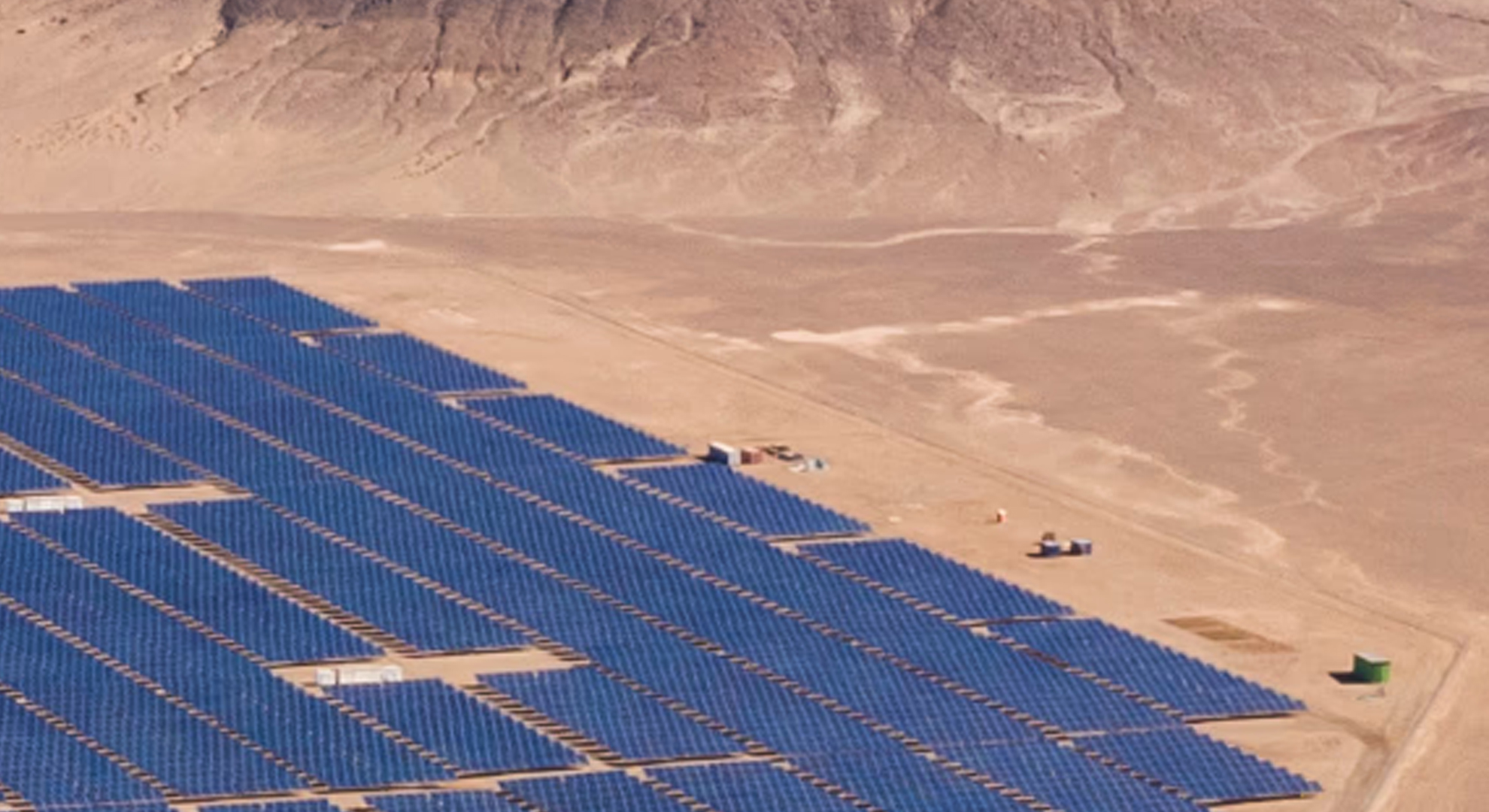
Drone, artificial intelligence, and digital twin technologies are beginning to be integrated into more and more photovoltaic projects, changing the way asset quality and performance are controlled. EYEROD is among the companies developing such solutions, from advanced module analysis to complete power plant monitoring through digital platforms. In an exclusive interview with IndustryNews, Ibrahim Burak Keskin, Electrical and Electronics Engineer at EYEROD, explain how these tools contribute to reducing losses and optimizing performance. This will present these innovations and their applications on April 22–23 at the Solar Energy Bucharest Summit.
EYEROD operates in the field of photovoltaic power plant inspection, analysis, and monitoring. How has the demand for these services evolved in recent years as the solar market has matured?
Digitalization services for solar construction and asset management are still an emerging market. There are only a few companies offering such solutions, and most have been active for no more than 3–4 years.
At this stage, together with our competitors, we are working to highlight the necessity of these tools in the solar industry. Compared to other industrial sectors, such as mining, which has benefited from decades of sophisticated software tools, solar software solutions have only recently reached this level of sophistication.


What are the most common problems that are solved in photovoltaic power plants through drone inspections and image analysis, from the construction phase to operation?
The most common problems solved include poor communication between field and office teams, disorganized documentation, lack of historical data, questionable analysis results, wrong decisions due to unreliable information, and the inability to accurately geolocate assets and tasks.
How do eyerod services contribute to improving performance and reducing losses in utility-scale solar projects?
In the procurement phase, through our Quality Intelligence solution, we analyze EL (electroluminescence) images of photovoltaic modules—a type of testing that highlights defects invisible to the naked eye, such as microcracks or inactive cells—and report non-conforming elements according to the project's quality criteria. These defective elements are compensated for by the manufacturer through various methods. With Quality Intelligence, we prevent underperformance even before CoD.
During the construction phase, we implement automated drone solutions on construction sites to collect high-value real-time data. eyerod Construction Intelligence processes thousands of images daily, automatically synthesizing key performance indicators (KPIs) for construction progress. Using real data and Construction Intelligence, our clients gain a new way to manage projects. Through our platform, project managers can assign location-based tasks on real-time maps, compare actual progress against schedules, and access well-organized site imagery.
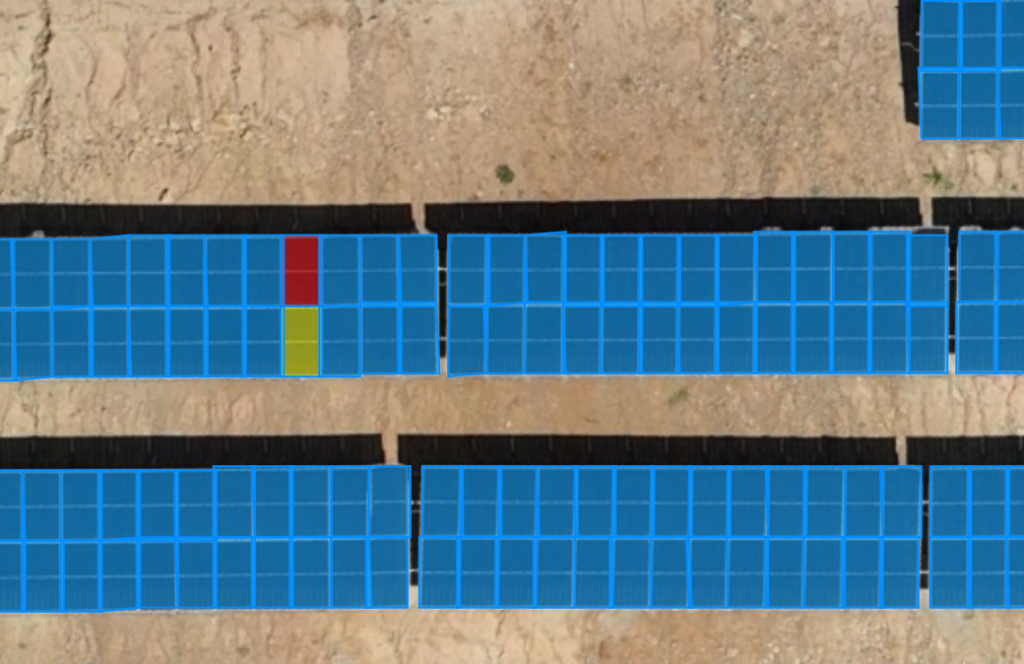
Ultimately, in the operational phase, we create a digital twin of the asset, providing a digital representation of each component, including modules, inverters, and batteries. This allows for the individual management of each element as we integrate unique identifiers, such as serial numbers and maintenance history. Furthermore, our Asset Intelligence solution includes a thermal analysis module that automatically processes raw thermal data collected in the field and detects faulty photovoltaic modules.
You work with investors, EPC companies, and O&M operators. How do the needs of these customer categories differ, and how do you adapt your services for each of them?
Investors are focusing on transparency, risk reduction, and portfolio-level performance visibility. EPC companies are prioritizing construction quality, progress monitoring, and on-time delivery. O&M operators need detailed asset-level information, rapid fault detection, and efficient maintenance workflows.
We adapt our solutions accordingly: Quality and Construction Intelligence for EPC phase control and Asset Intelligence for long-term performance and operations, while providing investors with a unified, high-level view across all stages.

What role do digitization and data analysis play in the operation of photovoltaic power plants, and how do you see these tools evolving in the coming years?
Digitalization and data analysis provide objective, real-time visibility across the entire lifecycle of photovoltaic power plants. They replace fragmented, manual processes with structured, verifiable data.
In the coming years, these tools will evolve into more integrated and autonomous systems that combine data collection, analysis, and decision support into a single platform, ultimately reducing the reliance on human intervention for routine monitoring and reporting.
In a market where asset performance is increasingly important, how critical are advanced monitoring and predictive maintenance for maximizing project performance?
As asset performance becomes more critical, advanced monitoring and predictive maintenance are no longer optional, but essential. They enable early detection of problems, minimize downtime, and optimize energy production. Ultimately, they have a direct impact on project profitability by preventing losses before they materialize.


