

Geopolitical risks are reshaping board agendas, and for CEOs, disciplined growth and profitability are top priorities amid structural global uncertainty, according to a new EY study.
At the same time, artificial intelligence is moving beyond the adoption phase and having an enterprise-wide impact, with 80% of CEOs increasing their AI budgets, although progress may be slowed by regulations and a skills shortage.
Transactions are becoming a strategic accelerator, with CEOs turning to mergers and acquisitions (M&A) and divestitures to bolster their artificial intelligence and technology capabilities, the study shows.
CEOs are stepping up efforts for disciplined growth and long-term transformation through artificial intelligence and strategic transactions, despite heightened geopolitical risks and macroeconomic uncertainty. This is one of the conclusions from the latest edition of the study EY-Parthenon CEO Outlook Survey, a quarterly survey of 1,200 chief executive officers in 21 countries.
In an environment marked by persistent uncertainties, compounded by external shocks, CEOs are not reacting by withdrawing, but by emphasizing profitability and resilience, specifically directing development initiatives and putting into practice lessons learned from previous crises.
The geopolitical landscape is reshaping growth priorities.
As expected, geopolitical uncertainties have become the central focus on CEOs’ agendas, with more than half of respondents (56%) identifying them as the most significant risk to their business operations over the next 12 months—an increase of 28 percentage points compared to September 2025.
Respondents noted that the impact is tangible, with nearly half (46%) stating that repeated energy price shocks will cause significant difficulties for their organization, highlighting how geopolitical volatility translates directly into operational and financial risks.
However, unlike in previous crises, CEOs do not view current macroeconomic volatility as a reason to adopt a defensive stance. Instead, they are building resilience and protecting short-term performance through more rigorous investment selection, signaling a pivot towards disciplined growth that is precisely targeted, undertaken with full awareness of risks in a rapidly changing environment, and anchored in profitability and resilience.
82% of respondents stated that they prioritize long-term sustainable growth and a clear path to profitability over rapid market expansion. Through this pragmatic approach, leaders prioritize financial flexibility, operational efficiency, human resources, and greater use of technology to boost productivity, alongside continued investment in digital capabilities and artificial intelligence.
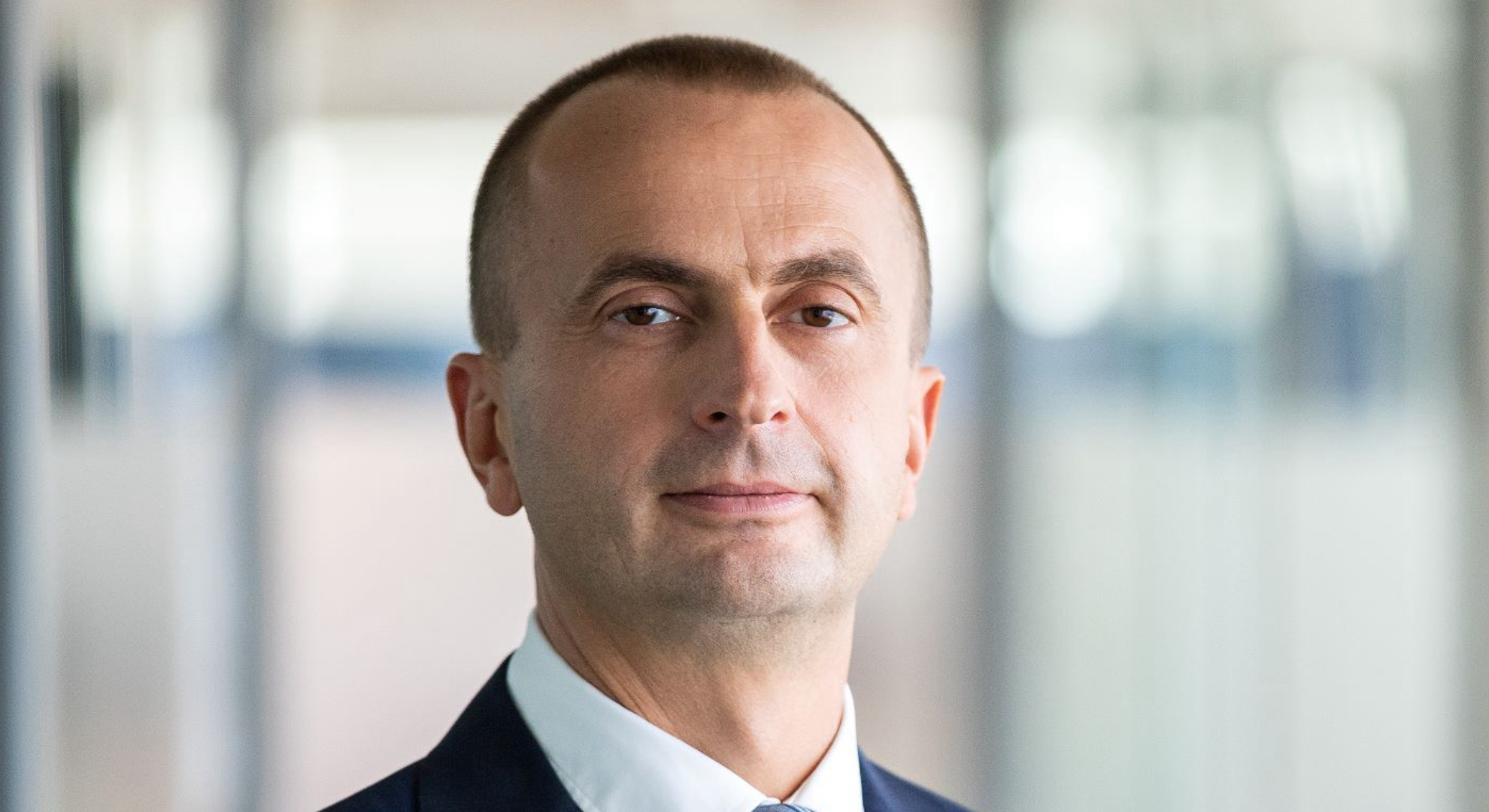
Bogdan Ion, Country Managing Partner, EY Romania and Moldova: „The global economy is evolving within a framework marked by structural changes, not just cyclical fluctuations. Geopolitics is increasingly and directly influencing the fundamental parameters of the economic environment, such as the organization of trade flows, production costs, access to capital, and the degree of predictability. In this context, uncertainty can no longer be understood as a temporary deviation from normality, but as a persistent economic reality.”.
Artificial intelligence is moving from adoption to company-wide impact
Regardless of whether or not the valuations of artificial intelligence companies turn out to indicate a speculative bubble, the benefits of this technology are real and remain the most consistent strategic priority across all regions and sectors. 80% of CEOs plan to increase investments in artificial intelligence in 2026, while only 11% expect to cut spending this year. Nearly half of respondents (48%) plan acquisitions or divestitures to accelerate access to AI technology or capabilities.
In fact, respondents say that artificial intelligence is already beginning to have a tangible impact at the enterprise level in areas that drive growth, such as creating value for customers (42%) and innovation (40%), along with operations (41%) and strategy (41%). Essentially, this technology remains a confidence booster for CEOs, with 83% of respondents stating that they are optimistic about their company’s investment plans in emerging technologies.
However, some challenges remain. Although artificial intelligence is having a tangible impact at the enterprise level, fragmented and evolving regulatory frameworks are becoming a major obstacle to expansion. 30% of CEOs stated that AI regulations increase operational and compliance complexity, and 38% cited the fragmentation and volatility of regulations as an obstacle to the effective scaling of this technology.
Human resource strategies are reorienting as artificial intelligence drives reskilling
Despite public fears that artificial intelligence will replace the human workforce, as investments in this technology intensify, CEOs are reconfiguring their human resources strategies to create value.
to be an addition rather than a reduction in the number of employees. Although nearly all respondents (99%) expect artificial intelligence to change their workforce strategy over the next three years, only one in five (20%) said it would result in fewer hires, down from 46% in 2024.
Instead of viewing artificial intelligence as a substitute for human resources, leaders see it as a driver of productivity and growth, with 42% of respondents anticipating large-scale retraining and upskilling programs for existing employees, while 44% are actively rethinking job roles to combine human skills with those of artificial intelligence.
However, human resource constraints remain one of the most significant obstacles to leveraging artificial intelligence. One in five CEOs (20%) cited a skills gap in artificial intelligence and data within the existing workforce, as well as management’s insufficient ability to manage the changes brought about by AI, as the main human resource challenges, highlighting the need to invest not only in technology but also in leadership, skills, and operational models.
Portfolio decisions are influenced by artificial intelligence and long-term strategic compatibility.
Despite an uncertain macroeconomic and geopolitical environment, CEOs continue to view M&A as a key driver of transformation and growth, though with a stronger focus on strategic fit and capability development rather than scale. 89% of respondents anticipate an increase in appetite for transactions over the next 12 months, even as they become more selective.
The US remains the main destination for planned M&A activities, followed by India, the UK, Canada, and Germany.
Notably, AI capabilities influence portfolio structure and capital allocation decisions. Nearly half of respondents (48%) stated that the ability to enhance technological or AI capabilities is the most important factor in decisions regarding asset acquisitions or divestitures, closely followed by strategic alignment with long-term growth priorities (47%).
In the coming year, CEOs plan to actively pursue a wide range of business strategies: 62% of respondents plan to engage in M&A transactions; 57% will seek strategic alliances; 45% will explore the possibility of forming joint ventures; and 42% anticipate asset divestitures, restructuring their portfolios to adapt to short-term disruptions while maintaining a focus on long-term growth.