

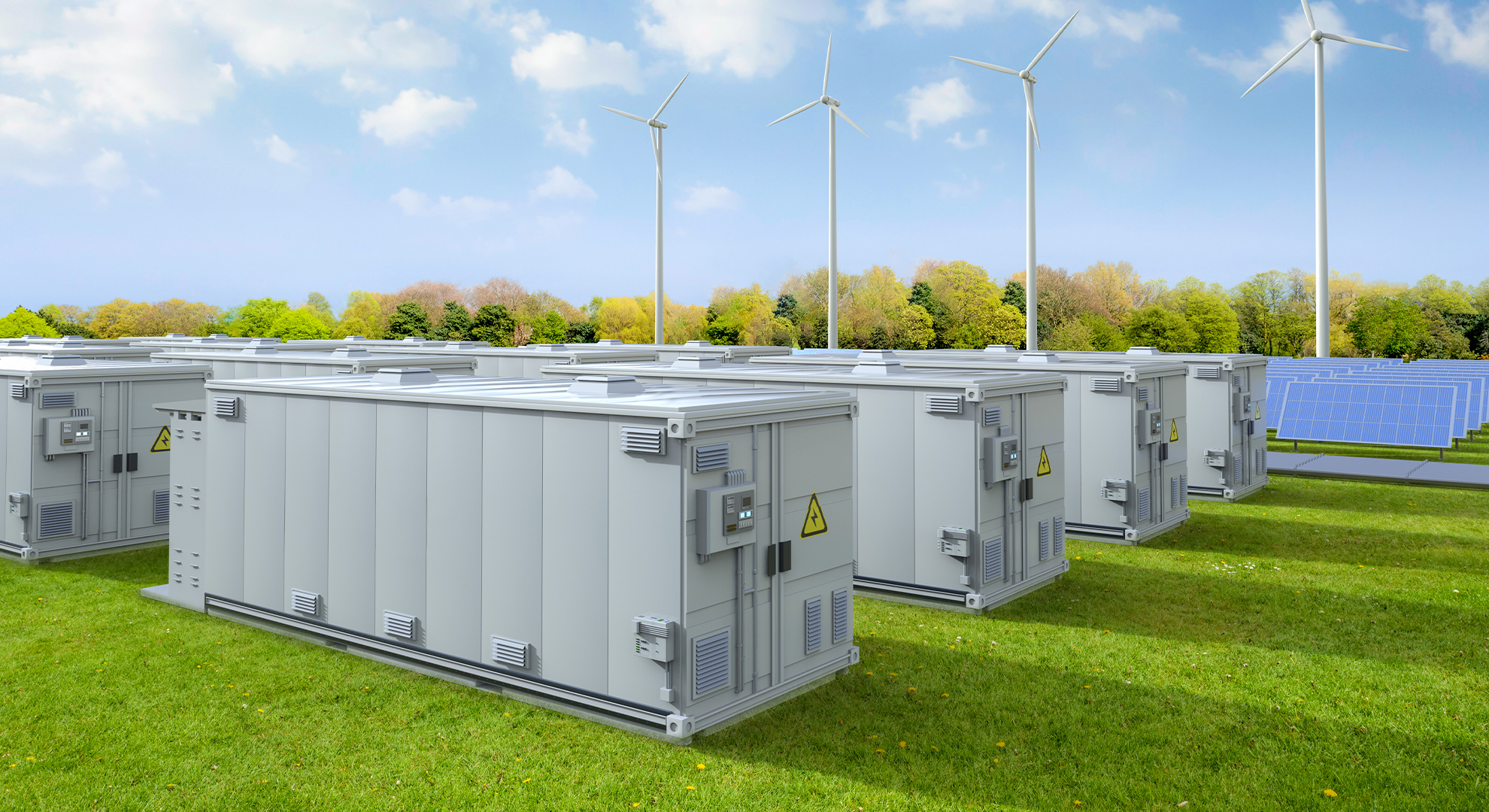
The investment boom in batteries could make the local energy storage market much more competitive than many developers anticipate today. Romania already has a significant number of BESS projects announced, but the essential question is how many of them will be able to be financed, built, and operated profitably in the long term, according to representatives from Maxxen Energy, TDP Partners, and BESCA.
At a certain level of installed capacity, the balancing market can become increasingly crowded, and the returns on BESS projects may begin to compress. In this context, financial modeling and long-term revenue assumptions become increasingly important for developers and investors.
In a rapidly growing market, installed capacity is no longer the only factor that matters. What also matters is how a BESS project's revenues will look in five or ten years, how cash flow can be protected in a more crowded market, and how technological solutions are chosen at a time when bankability criteria are still being defined.
Not every BESS project will automatically become profitable just because the market is growing. That's why the three organizers are approaching the topic from complementary angles.
Maxxen Energy brings the perspective of an equipment supplier, with battery production capacity in Turkey and alternative financing models developed to reduce capital pressure on developers. TDP Partners contributes expertise in financial modeling, investment strategy, and energy project structuring. BESCA adds a regional perspective through its role as a platform connecting investors, developers, technology providers, and consultants active in the Black Sea region.
In a market where the battery is no longer just an piece of equipment but an economic asset, the choice of supplier begins to directly influence the project's bankability. For developers, not only the price of the technology matters, but also delivery predictability, serviceability, financing structure, and how the chosen solution supports long-term investment amortization. In this context, Maxxen Energy's production capacity in Turkey can offer the Romanian market shorter delivery times, regional support, and an alternative to Asian-dominated supply chains.
„In the storage market, the discussion can no longer remain solely at the battery cost level. For developers, how project revenues are generated, how quickly the investment is amortized, and how much flexibility exists in the financing structure are becoming increasingly important. Through models like Storage as a Service, the battery is no longer just a CAPEX investment paid upfront, but can become a service paid gradually, which reduces initial capital pressure and can make projects more robust in their relationship with banks. In a more competitive market, developers need not only a high-performing battery, but a partner who can deliver quickly, ensure regional service, and support the project's economic structure,” said Ufuk Keser, Business Development Director, Eastern Europe, and Turkey at Maxxen Energy.
From TDP Partners' perspective, the next stage of the market will increasingly differentiate between projects that have only been announced and those that can remain profitable and fundable in a more competitive environment. As more batteries enter the system, revenues from the balancing market and services provided to Transelectrica may evolve differently from initial assumptions. Therefore, projects will need to be evaluated against more conservative return and cash-flow scenarios.
„The local storage market is entering a stage where the advantage will no longer be based on a mere presence in a growing sector, but on the ability to structure projects that can withstand a competitive environment. In the coming years, the real selection criterion will become risk-adjusted profitability. This means realistic financial models that take into account grid congestion, revenue evolution as more batteries enter the system, and the projects” ability to remain bankable after the initial market enthusiasm subsides, said Marian Dobrila, CEO of TDP Partners.
Romania is entering a stage where the gap between announced projects and those actually implemented will become an important signal for investors and financiers. In a transforming regional market, capital will increasingly focus on projects built on solid economic logic, not just on opportunistic timing.
„Across the Black Sea region, there is a high interest in storage capabilities, but strategic capital is becoming increasingly selective and focused on projects capable of generating long-term value. For the Romanian market, it is important that regional battery manufacturers and technology providers with direct experience in the storage project economy, including companies with production facilities in Turkey, are beginning to appear. Storage is no longer just a technical component of the energy transition, but is becoming critical infrastructure for the region's energy competitiveness,” added Alina Ștefan, BESCA Executive Director.