





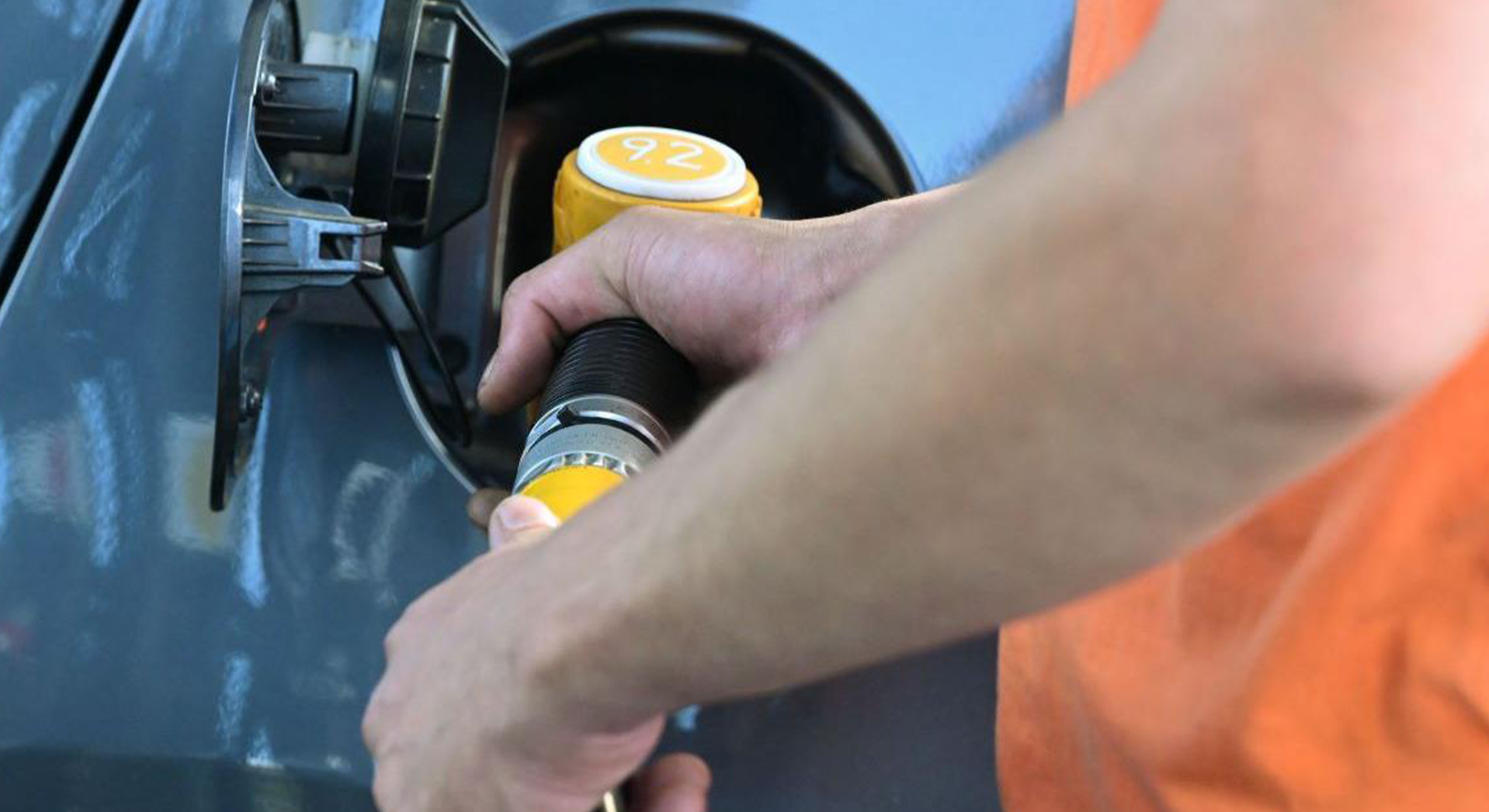
The Association for Intelligent Energy (AEI) addresses an open letter to the Romanian Government to signal the urgent need to adopt a coherent and effective action plan to reduce the economic and social impact of the increase in the price of diesel fuel, according to a press release.
”The accelerated increase in fuel costs, especially diesel, has direct effects on the national economy, influencing transportation costs, prices of goods and services, as well as the financial stability of some economic sectors. Transporters, agricultural producers, logistic operators and, finally, consumers are already feeling these pressures, underlines In this context, we believe that a strategic and coordinated intervention by public authorities is necessary, including immediate measures, but also medium and long-term solutions to reduce the economic vulnerabilities caused by fluctuating fuel prices,” AEI officials say.
Given Romania's difficult macroeconomic situation, we believe that the most effective short-term fiscal measure is neither a general price cap nor a full excise tax cut (this measure can be applied when we enter a crisis phase), but targeted compensation for activities with systemic effect.
In support of this endeavor, AEI is submitting to the Romanian Government a Draft National Action Plan which proposes a set of concrete measures designed to:
• reducă impactul creșterii prețului motorinei asupra economiei;
• sprijine sectoarele economice cele mai afectate;
• stabilizeze costurile de transport și lanțurile de aprovizionare;
• accelereze adoptarea unor soluții energetice și tehnologice alternative, sustenabile.
The proposals included in the draft plan have been developed after analyzing the current situation in the energy market and the economic impact on productive sectors, with the aim of protecting the competitiveness of the Romanian economy and reducing pressure on consumers. .
”Given the urgency of these problems, we ask the Romanian Government to analyze and initiate, as a matter of priority, a process of consultation and implementation of the proposed measures, as well as to develop a public policy framework that will provide stability and predictability to the economic environment,” AEI officials added.
What are the AEI proposals
România are nevoie de un plan bun pentru pregătirea ”confruntării cu prețul combustibililor” din următoarele săptămâni dacă războiul continuă și Strâmtoarea Ormuz este blocată. Guvernul nu ar trebui să încerce să „bată piața”, ci să facă 3 lucruri simultan: să amortizeze șocul imediat, să protejeze sectoarele critice și să reducă dependența structurală de motorină. România pornește de la un context în care prețul mediu la pompă pentru motorină este 8,69 lei/l în 08.03.2026 Planul national de acțiune pe care-l propunem are 3 orizonturi.
1. In the first 72 hours command and transparency
The government should immediately activate an inter-ministerial task force with Finance, Energy, Transportation, Agriculture, Competition Council, ANAF, ANRMPSG and ASF, with daily reports on: the ARA diesel price, crack spread, commercial stocks, import levels, pace of refinery supply and pump margins. Romania and the rest of the EU are operating under the obligation to maintain minimum stocks of oil and petroleum products under Directive 2009/119/EC, so the first step is not panic, but to clarify exactly what stocks are available and at what rate they are being depleted.
Communication is essential. No panic, no lies. At this stage, the state should publish an official daily bulletin with 5 simple figures: ARA price, Brent, stocks, average pump price in Romania, estimated margin. This reduces panic buying and cuts room for speculation.
2. The first 2 weeks need targeted protection, not general subsidy
Taking into account the difficult macroeconomic situation in Romania, we believe that the most effective fiscal measure in the short term is neither a general price cap nor a full excise tax reduction (this measure can be applied when we enter a crisis phase), but targeted compensation for activities with systemic effect: freight transport, public transport, agriculture, food distribution, sanitation, ambulances, fire brigades and utility operators. Romania already has a scheme for refunding excise duty differentials for road transportation of goods and passengers, approved in December 2025; this should be temporarily extended and accelerated upon payment.
Specifically, we recommend 4 immediate actions at this stage:
A. Accelerated excise duty refund for critical sectors. Not for all consumers initially, but for the operators that keep the economy moving. Payment should be made monthly, not with long delays.
B. Temporary voucher for county and urban public transportation. Eurostat shows that Romania has one of the highest shares of collective transport in road energy consumption in the EU, so supporting public transport can cushion part of the shock more effectively than the universal subsidy at the pump.
C. Special line of state-guaranteed working capital for transportation, agriculture and food firms, because the initial problem is often liquidity, not profitability.
D. Monitor competition and price pass-through. We do not recommend tough administrative price controls, but we do recommend rapid audit of wholesale and retail margins. If the ARA benchmark goes up and the pump goes up too fast or too far above the cost justification, the Competition Council should intervene on transparency and possible investigations.
3. Avoiding populism in the use of strategic stocks should be done only partially and under well established conditions
Romania should not quickly „burn” strategic stocks just to temporarily cheapen the price. Reserves should only be used if physical supply disruptions occur, not just high prices. The EU directive on minimum stocks exists precisely for continuity of supply, not to smooth any market movement.
Limited stock releases should only be undertaken if significant physical delays, visible decreases in refinery/warehouse deliveries and the risk of regional shortages occur simultaneously. Otherwise, better to hold products and fiscally offset prices.
4. Measures for the next 1-3 months
The aim here is to reduce the transmission of the shock into inflation and the food chain.
Transport and logistics
The statute may introduce temporary:
• prioritate operațională pentru transporturile esențiale;
• majorare rapidă a capacității feroviare pentru marfă pe anumite coridoare;
• stimulente pentru mutarea unei părți din fluxurile interne grele de pe camion pe tren, unde este fezabil.
Agriculture
Need to create a separate mechanism for farmers as agricultural diesel directly hits the cost of food. Compensation here should be linked to area worked and type of activity, not to consumption declared without verification.
Public procurement
All large public institutions should switch to the 5-10% fuel reduction plan: more efficient routes, limiting unladen runs, fleet optimization. It doesn't solve the crisis, but it signals and reduces marginal demand.
5. What the Romanian government should not do immediately
AEI's recommendation is not to make a:
• plafonare generală rigidă a prețului la pompă;
• reducere universală și nediferențiată a taxelor pentru toți consumatorii;
• interdicție administrativă de export fără coordonare europeană;
• transnitere de mesaje publice de tip „nu se va întâmpla nimic”, ”nu tăiem nimic” dacă piața deja transmite stres.
These measures tend to cost a lot, create distortions and shift consumption, not manage it.
At the same time, if the conflict continues and prices continue to rise, a second plan is needed, a Crisis Plan with a total rethink of taxation and protection of all fuel consumers. Of course these Plans must be realized in time, but they must be implemented successively.
6. Structural component: 6-24 months
This is the part that matters most, because Romania remains a very diesel-dependent road transport economy; in the EU, diesel remains the main road transport fuel, with a share of 64% in 2023.
We propose 5 courses of action:
a) Accelerarea transportului feroviar de marfă. Fiecare procent de marfă mutat de pe rutier pe feroviar reduce expunerea la șocurile diesel.
b) Reînnoirea flotelor de transport public și urban. Mai multe autobuze electrice, troleibuze și infrastructură asociată.
c) Stimulente pentru flote comerciale eficiente. Vehicule noi, management telematic, reducere de kilometri goi.
d) Mai mult biodiesel/HVO unde e sustenabil și compatibil tehnic. Nu ca soluție totală, ci ca amortizor de dependență.
e) Reconfigurarea politicii fiscale înainte de ETS2. EPG estima că ETS2 ar putea adăuga între 0,74 și 1,16 lei/l la diesel în perioada 2027–2030, deci România are nevoie de timp de un mecanism social și economic de absorbție a viitorului șoc, nu doar a celui de acum.
7. Plan in short, as Government Decision
Faza 1: 0–14 zile – comandament, date zilnice, compensare țintită, plăți rapid, monitorizare marje, pregătire tehnică pentru eventuală eliberare limitată de stocuri.
Faza 2: 2–12 săptămâni – sprijin pentru transport public, logistică alimentară și agricultură, credite de capital de lucru, optimizare consum public, mutare parțială spre feroviar.
Note: If the price goes over 10 lei/l it is necessary to activate the second plan of the Crisis Plan by rethinking the tax for all fuel consumers.
Faza 3: 6–24 luni – reducerea dependenței structurale de diesel prin transport public, marfă pe calea ferată, eficiență de flotă și pregătire pentru ETS2.
România nu are nevoie de o măsură spectaculoasă, ci de una disciplinată. Cea mai bună combinație în acest moment este: compensare țintită – transparență – cu rezerve folosite doar pentru continuitatea aprovizionării – cu reducere structurală a dependenței de diesel.
AEI publicly requests the Romanian Government, through an open letter, to develop and implement a National Action Plan to reduce the impact of the diesel price increase. At the same time, the organization submits a Draft Plan to the authorities.


