





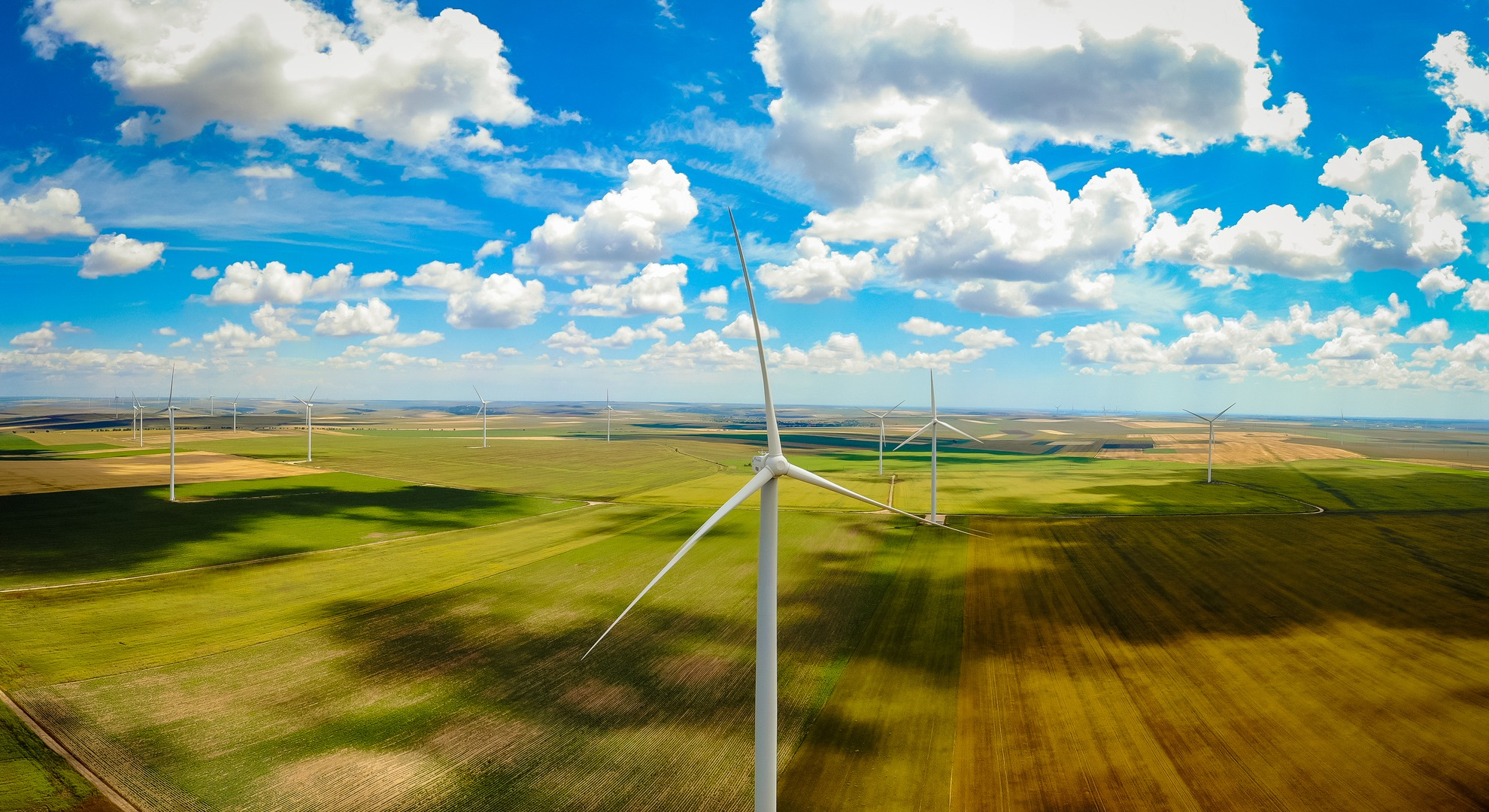
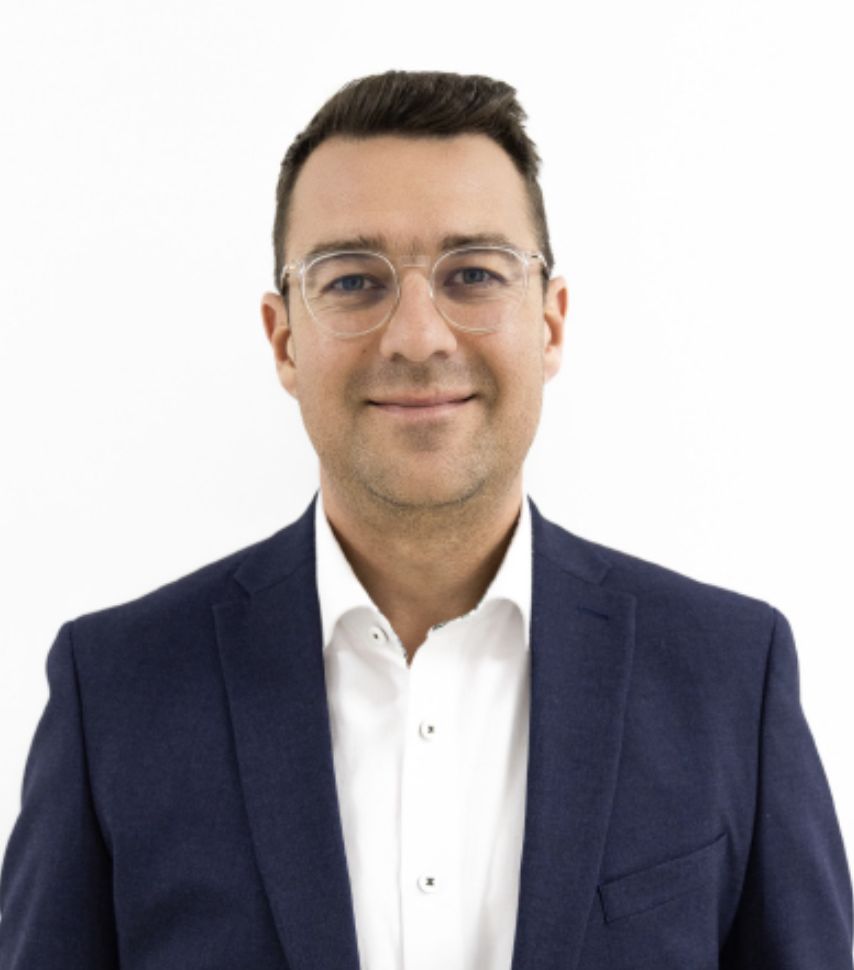
The renewable energy market is accelerating, but the pace of project development is becoming increasingly constrained by the availability of specialized labor. According to Sebastian Enaghe, Director RenewAcad, At the European level, wind energy is estimated to grow from around 443,000 jobs to over 600,000 by 2030, and European solar already has projections of over 1.1 million workers by the end of the decade. In Romania, approximately 30,000 technicians are employed in wind and photovoltaic projects, and their number needs to double next year. Sebastian Enache will take the stage at the Solar Energy Bucharest Summit on April 22nd, in a panel discussion dedicated exclusively to professional training.
How do you assess the availability of labor in Romania's renewable energy sector at this time?
Disponibilitate există, dar nu încă la nivelul și în structura de care piața are nevoie. România nu duce lipsă de oameni care vor să intre în sector, însă duce lipsă de oameni deja pregătiți pentru lucrul efectiv în șantier, în punere în funcțiune, în operare și mentenanță, în condiții reale de siguranță și productivitate. Din perspectiva noastră, interesul pentru reconversie profesională este foarte mare, mai ales în zone cu tradiție industrială, dar cererea de competențe crește mai repede decât capacitatea sistemului de formare de a le livra. Contextul european confirmă asta: forța de muncă din eolian și solar crește accelerat, iar Europa tratează deja deficitul de competențe ca pe un risc strategic pentru tranziția energetică. Pot sa va spun ca noi avem in curs, in cele 7 centre de pregatire, peste 30 de oameni zilnic la cursuri atat pentru eolian, fotovoltaic cat si pentru baterii.
Are we talking about a quantitative staff shortage or, rather, a shortage of specialized skills?
Mai degrabă despre un deficit de competențe specializate. Cantitativ, România poate atrage și reconverti oameni. Problema este că sectorul nu are nevoie doar de “personal”, ci de oameni care pot lucra imediat, în siguranță, pe standarde clare, cu echipamente specifice și cu înțelegerea disciplinei de șantier din regenerabile. Aici diferența este foarte mare. De aceea eu spun de fiecare dată că problema reală nu este doar câți oameni avem, ci câți sunt pregătiți să intre mâine pe proiect. Iar în următorii ani presiunea va crește: la nivel european, în eolian se estimează o creștere de la circa 443.000 de joburi la peste 600.000 până în 2030, iar solarul european are deja proiecții de peste 1,1 milioane de lucrători până la finalul deceniului. In Romania avem peste 10.000 de tehnicieni care opereaza si instaleaza turbine eoliene si peste 20.000 de angajati pe santierele parcurilor fotovoltiace. Numarul acestora trebuie sa se dubleze anul viitor cand peste 3000MW de fotovoltaice for fi simultan in constructie.
In the construction phase of projects, which are the most difficult roles to fill – electricians, technicians, or engineers?
All three are important, but the hardest to cover quickly are intermediate technical and field roles: specialized electricians, installation and maintenance technicians, commissioning, high-voltage, automation, as well as team leaders who deeply understand execution. Engineers exist, but very often the market suffers in the area between engineering and execution: people who know how to read the project, but also how to work correctly and safely in the field. In renewables, especially in utility-scale wind and solar, generic qualification is not enough; you need practical specialization and relevant certifications. This is precisely why industry standards and applied training make the difference between a project delivered on time and one that is delayed.
Do you believe that the current COR codes correctly reflect the new professions in the renewable energy sector, for example, photovoltaic system installers? And is it necessary to introduce new occupations in the COR to support the development of the sector?
An important step has been taken, but we are not yet at the level where the COR fully reflects market reality. There are already relevant occupations, for example „solar photovoltaic systems installer” and several recently introduced occupations for the wind sector, including wind turbine installation technician and renewable energy source technician. So we are not starting from scratch. At the same time, the market is evolving faster than administrative classifications. We need continuous updating because new roles are emerging in storage, digitalization, drone-assisted inspections, specialized services, HV, SCADA, commissioning, and system integration. My conclusion is clear: yes, the COR needs to be expanded and updated periodically, in dialogue with the industry, otherwise we will continue to train and recruit within a framework that describes the past, not the future.

Would clearer standards or mandatory certifications be needed for installers, builders, and EPC companies?
Da, fără îndoială. Într-un sector care lucrează cu infrastructură critică, cu risc electric, lucrul la înălțime și cerințe stricte de calitate, standardizarea nu este un moft, este o condiție de maturizare a pieței. Avem nevoie de standarde clare pentru competențe minime, pentru siguranță, pentru trasabilitatea pregătirii și pentru diferențierea între firmele care livrează profesionist și cele care intră oportunist în piață. În eolian, standardele GWO sunt deja un reper internațional recunoscut de angajatori; RenewAcad operează pe astfel de standarde și și-a extins inclusiv portofoliul de acreditări. Eu cred că și în alte segmente ale regenerabilelor trebuie mers spre un model similar: nu neapărat birocratic, ci tehnic, clar și verificabil. Anul 2025 a adus o noua premiera in industria fotovoltaica : GWO Solar. Un standard international obligatoriu care se aplica din 2027 la toate parcurile fotovoltaice din Europa. Nu ai cursuri GWO, nu intri in parcul fotovoltaic. Aceste standarde sunt facut special pentru a asigura calitatea constructiei si operarii echipamentelor energetice.
To what extent does the lack of a clear COR framework affect the recruitment, training, and taxation of these professions?
It significantly affects things. In recruitment, it creates confusion: employers look for a very specific technical profile, but are sometimes forced to fit people into more general occupations that don't accurately describe the reality of the work. In training, the lack of clarity delays the development of relevant programs and adapted occupational standards. And in the area of contracting, payroll, and taxation, administrative difficulties arise that complicate exactly what should be simplified in a booming sector. In other words, when an occupation isn't well-defined, the entire chain suffers: from school and recruitment to hiring and quality control. That's why I say that updating the COR is not just an HR issue, but an economic competitiveness issue.
What legislative changes would help professionalize and standardize the workforce in this field?
I would see five concrete directions. First: periodic and accelerated updating of the COR and occupational standards, in partnership with industry. Second: recognition and integration of relevant international standards where they already exist and function. Third: stimulation of practical training and professional retraining programs, including through predictable public funding. Fourth: introduction of minimum qualification criteria for certain types of critical jobs. And fifth: a real link between the educational system, training centers, and hiring companies. If we want professionalization, we must move from a reactive logic to one of anticipating skills. And good practice examples already exist, including in Romania, through dedicated training centers and partnerships between industry and education.
Is there competition between countries for renewable energy specialists?
Yes, the competition already exists and will intensify. We are no longer just talking about competition between companies, but about competition between markets. Countries that launch large projects faster, offer more attractive salaries, predictability, and clear career paths attract the best people. At a time when all of Europe is accelerating simultaneously in wind, solar, storage, and grid infrastructure, good specialists become an extremely mobile asset. If Romania does not invest quickly enough in training and retention, we will continue to produce skills that others will absorb more efficiently.
What will the renewable energy workforce look like in the next 5 years?
It will be more numerous, more technical, and much more diverse than it is today. We will see clear growth in installation, operation, maintenance, storage, system integration, digital monitoring, and high-voltage professions. Additionally, the workforce will become more mobile between technologies: individuals currently working in electrical, automation, or construction will more easily transition to solar, wind, and batteries, provided they have good training pathways. Estimates vary depending on the methodology, but they all point to the same thing: we are talking about tens of thousands of jobs in Romania this decade. We have publicly discussed over 20,000 new jobs by 2030, and more recent market estimates suggest that photovoltaics alone could reach approximately 80,000 full-time equivalent jobs by 2030. The important message is that the pace of project development will be increasingly dependent on the pace of workforce training.


What is Romania's greatest vulnerability regarding human resources in the energy sector?
The biggest vulnerability is the lack of foresight. Romania has good people, but it doesn't yet have, on a sufficient scale, a well-coordinated system that foresees what skills will be needed, when, and in which regions. This means that projects sometimes advance faster than the skills infrastructure. The second vulnerability is fragmentation: education, training, employers, and authorities do not yet work together sufficiently. And the third is skills migration, because good specialists are sought after all over Europe. If we don't solve these three issues, we risk having investments but not enough people trained to execute them to the required standard.
What should authorities do, concretely, to prepare the workforce for the energy transition?
Specifically, authorities should do three things immediately. First, create a permanent dialogue mechanism with the industry, so that real skills needs are quickly translated into occupations, standards, and training programs. Second, consistently fund qualification and professional retraining, especially in regions where the energy transition is changing the local economic structure. Third, support practical, not just theoretical, training: laboratories, regional centers, partnerships with universities and technical high schools, internships in companies, recognized certifications. From our experience, people respond very well when offered a clear path: training, certification, practice, employment. The market needs exactly this type of ecosystem, and we at RENEWACAD have created precisely that.
If the labor force and legislative framework problem is not resolved, how much risk do we run of delaying the development of the renewable sector in Romania?
The risk is real and not at all marginal. We are not just talking about higher costs or additional pressure on companies, but about actual delays in execution, commissioning, and operation. The renewable sector is no longer in a niche phase; it is a strategic infrastructure sector. If you don't have sufficiently well-trained people and a clear administrative framework, projects move more slowly, are delivered at a higher cost, and become more vulnerable to quality and safety issues. And at a time when Romania is accelerating installations and wants to increase its share of renewable energy, a human resource shortage can become one of the main brakes on development. That is precisely why we insist that investment in skills must be treated as seriously as investment in new equipment and capacities.


