




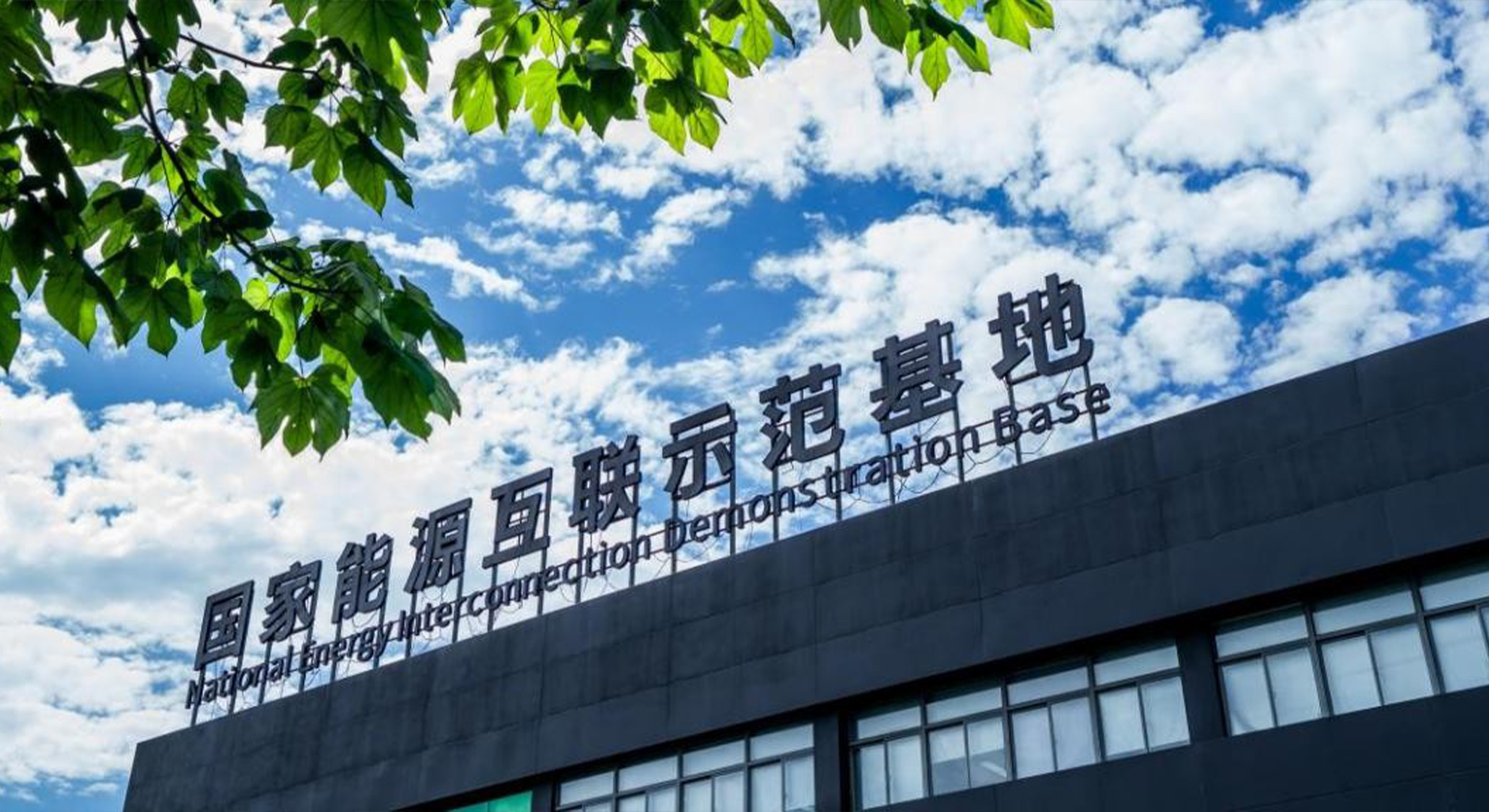
The local energy storage market is attracting more and more international providers, amid the accelerated growth of BESS projects and the need for flexibility in the energy system. In an exclusive interview with IndustryNews.ro, Yves Zhang, Sales Director, Europe – BESS BD at StarCharge, says that Romania is becoming a relevant market for the development of storage projects, especially in the area of standalone applications. The company will be present at the Solar Energy Bucharest Summit, organized between April 22-23, at the Palace of the Parliament.
What are StarCharge's concrete plans for the Romanian market and what types of projects are you targeting?
The company's strategy in Romania focuses on standalone energy storage projects with large capacities and diversified revenue streams. These include participation in system services such as frequency regulation, peak shaving, and capacity mechanisms, contributing to grid stability and efficiency. In parallel, distributed storage applications are also being analyzed where they can bring additional flexibility to the energy system. For utility-scale projects that offer adequate returns, StarCharge is also considering participation as an investor.
How does Romania fit into the company's regional strategy?
Romania is seen as a rapidly expanding market with a significant volume of projects in development and under construction. In this context, speed of execution becomes a critical factor. The company's strategy involves engagement from the technical evaluation phase of projects, not just at the bidding level, so that once the investment decision is made, the technical solutions are already defined, and production and delivery can begin without delay. The experience of a Tier 1 integrator allows for the adaptation of solutions to the specific requirements of each project.
What type of demand do you observe in Romania?
Energy storage is expected to become a central component of Romania's energy system, with investments estimated at several gigawatts in the next decade. The regulatory framework is favorable, including targets assumed at the national level and dedicated support schemes. In parallel, there is significant potential for the development of merchant projects, which can operate independently of support schemes, based on opportunities in the energy market.
Which solutions from the StarCharge portfolio have the greatest potential in the local market?
BESS configurations of approximately 5 MWh are currently the standard used in most projects and represent the main focus of the portfolio for Romania. These systems offer an optimal balance between capacity, flexibility, and cost, making them suitable for a wide range of applications. The portfolio includes both centralized solutions and string-type architectures, complemented by AC-side equipment, to allow integration into different scenarios. Additionally, the company is preparing to launch a 6.25 MWh system, adapted to European standards.
What are the main differences between the markets in China and Europe?
The differences are mainly due to the level of development of the energy infrastructure and the system's regulation capacity. In China, massive investments in the grid and flexibility capabilities have enabled the development of a system capable of managing rapid fluctuations in consumption and production. In Europe, although grid modernization is underway, many systems are still based on centralized models, and distributed storage and regulation capabilities are less developed. In the context of the accelerated growth of renewable energy, these limitations are becoming increasingly noticeable.


What trends from the Chinese market can be replicated in Europe?
In China, grid-forming storage systems, capable of supporting the grid through functions such as fault ride-through or black start, are becoming increasingly relevant. These reflect a paradigm shift, where storage is taking on an active role in power system operation. The trend is also beginning to be adopted in Europe, where more and more countries are including such solutions in their development plans. Estimates indicate a rapid expansion of these technologies in the coming years.
How do you see the energy storage market evolving in the coming years?
Market evolution is expected to follow three stages. In the first phase, development is supported by public policies and incentive schemes that improve project profitability. Subsequently, as renewable energy capacity grows, demand for storage will accelerate, particularly for applications such as frequency regulation and load optimization. In the maturity stage, standalone projects will become sustainable through diversified revenue streams, including participation in energy and ancillary services markets.
StarCharge is a global leader in electric vehicle charging infrastructure and energy solutions, with nearly 2 million units delivered globally and major storage projects, including a 476 MW / 476 MWh system, one of the largest of its kind worldwide. In Europe, the company has already delivered significant projects and is expanding its presence in emerging markets, including Central and Eastern Europe.