





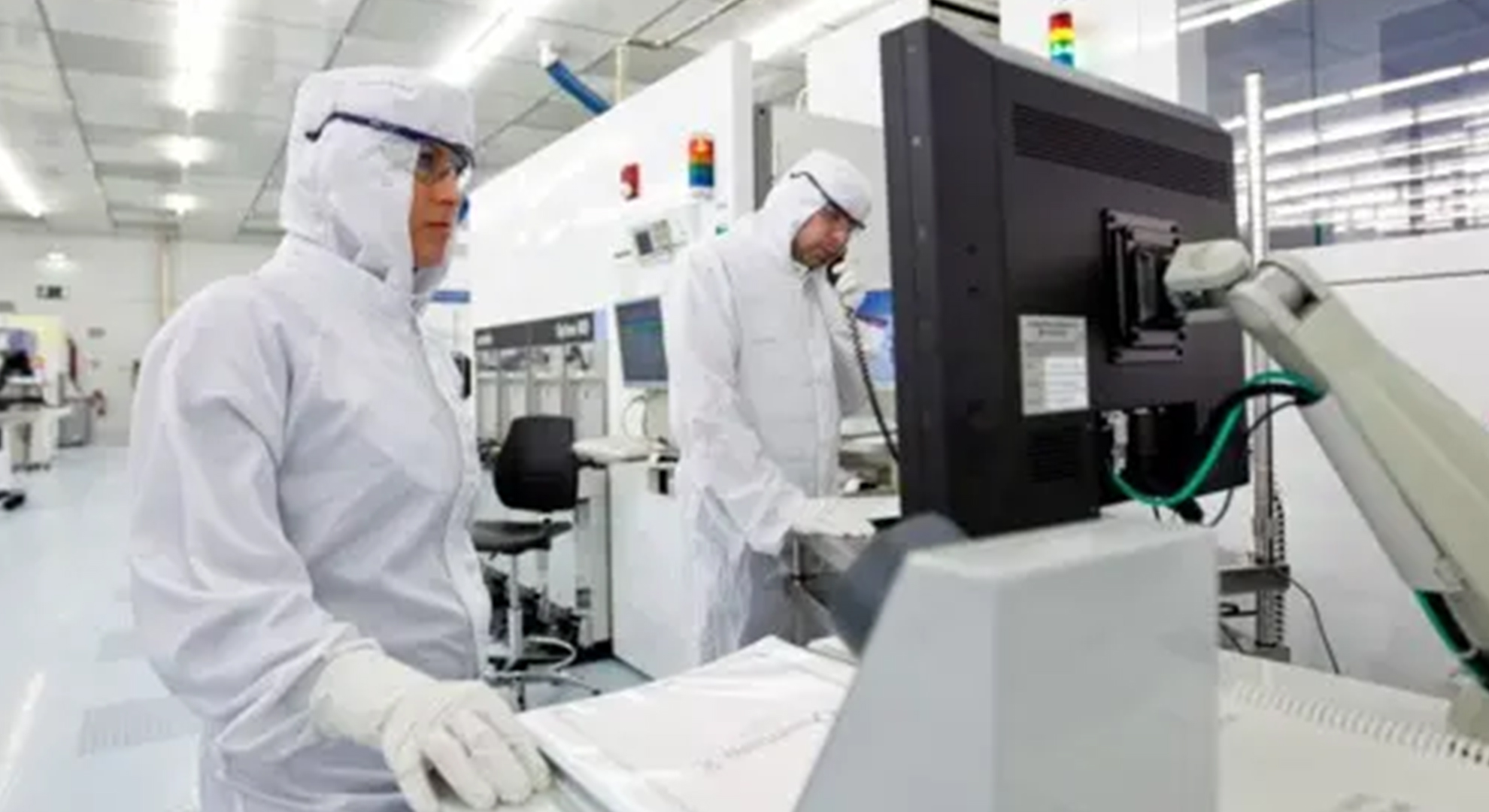
The European Union has launched the largest pilot line of the European Chips Act, the NanoIC project at IMEC Leuven (Belgium), an important milestone for European semiconductor development and production, reports a press release from the EU executive.
With a total investment of €2.5 billion, the project has received EU funding of €700 million, with a further €700 million from national and regional governments and the rest from ASML and other industry partners. NanoIC will accelerate the development of next-generation semiconductor technology essential for AI development, autonomous vehicles, healthcare and 6G mobile technology, according to Agerpres.
NanoIC is the first European facility to deploy the most advanced UV lithography machine, focusing on chip design and fabrication using technologies above two nanometers. This marks a significant advance in European semiconductor manufacturing technology.
Hosted by IMEC (Belgium), the project partners include CEA-Leti (France), Fraunhofer (Germany), VTT (Finland), CSSNT (Romania) and Tyndall National Institute (Ireland).
Designed to bring chip technologies from the lab to the factory, the pilot lines are a key pillar of the ”Chips for Europe” initiative under the Chips Act. They will strengthen the position of European players in the global semiconductor supply chain and will be open to trusted partners, supporting Europe's industrial base and competitiveness, while helping to retain and attract talent.
Together, the five pilot lines (NanoIC, FAMES, APECS, WBG and PIXEurope) under the Chips Act represent a combined EU and national investment of €3.7 billion, linking Europe's research excellence with industrial applications.


